
Advanced Arthroscopy Surgery for Joint Problems
Advanced Arthroscopy Surgery for Joint Problems
Joint pain, stiffness, swelling and restricted movement can make even routine activities difficult. Whether caused by a sports injury, ligament damage, cartilage problems or a degenerative joint condition, persistent symptoms should not simply be ignored. When conservative treatment does not provide adequate relief, an orthopedic specialist may recommend further evaluation and, in selected cases, a minimally invasive procedure called arthroscopy.
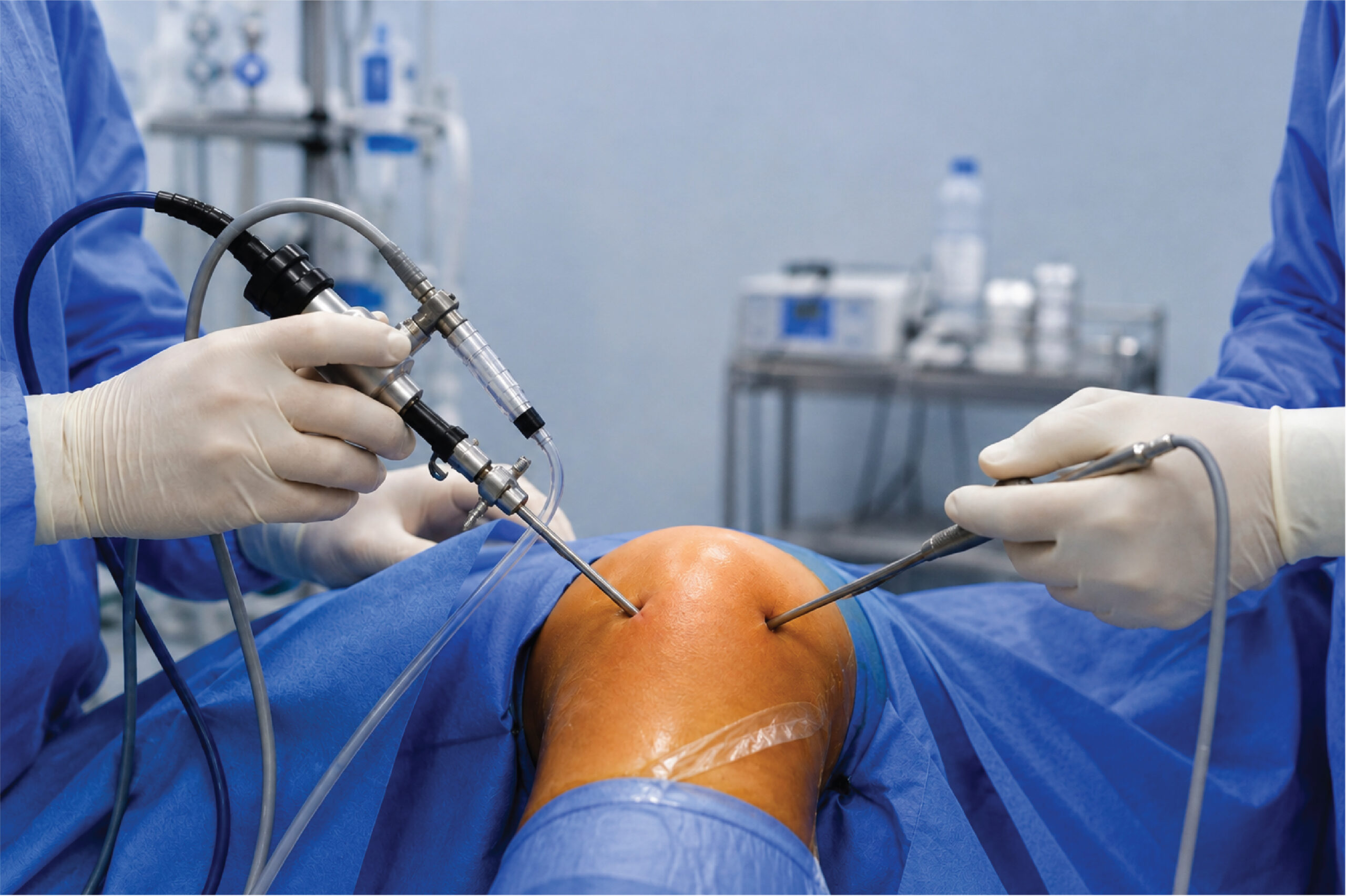
Arthroscopy is an orthopedic procedure used to examine and treat problems inside a joint. It uses a small camera, called an arthroscope, inserted through a small incision. The surgeon can view the inside of the joint on a monitor and use specialized instruments through additional small incisions when treatment is required.
For patients searching for arthroscopy in Vizag, understanding the procedure, conditions it can treat, benefits, risks and recovery process can help them have a more informed discussion with an orthopedic specialist.
What Is Arthroscopy?
Arthroscopy is a minimally invasive surgical procedure used to diagnose and treat certain joint problems. The word comes from terms meaning “joint” and “looking.”
During arthroscopy, the surgeon makes a small incision near the affected joint and inserts an arthroscope. The instrument contains a camera and light, allowing the surgeon to see the internal structures of the joint.
Depending on the problem, additional small incisions may be made to introduce specialized surgical instruments.
Arthroscopy may be performed on several joints, including:
- Knee
- Shoulder
- Ankle
- Hip
- Wrist
- Elbow
The exact procedure depends on the joint involved and the patient’s specific condition.
Why Is Arthroscopy Performed?
Arthroscopy may be recommended when a doctor needs to examine or treat structures inside a joint.
Common reasons include:
- Ligament injuries
- Cartilage damage
- Meniscus tears
- Joint inflammation
- Loose fragments inside a joint
- Certain sports injuries
- Some tendon-related problems
- Joint instability
- Certain forms of arthritis
- Persistent joint pain with an identifiable internal cause
Not every patient with joint pain needs arthroscopy. A specialist first evaluates the symptoms, physical examination findings and diagnostic imaging before deciding whether the procedure is appropriate.
Common Joints Treated With Arthroscopy
Knee Arthroscopy
- The knee is one of the most common joints treated using arthroscopy.
- Knee arthroscopy may be considered for conditions such as meniscus injuries, certain ligament injuries, cartilage damage and loose bodies within the joint.
- Depending on the injury, the surgeon may repair or remove damaged tissue, smooth certain damaged surfaces or perform other appropriate procedures.
Shoulder Arthroscopy
Shoulder arthroscopy can be used to evaluate and treat several conditions affecting the shoulder joint and surrounding structures.
It may be used for selected cases involving:
- Rotator cuff injuries
- Labral tears
- Shoulder instability
- Impingement-related problems
- Damaged cartilage
- Certain inflammatory conditions
The appropriate procedure depends on the specific shoulder problem.
Ankle Arthroscopy
- Ankle arthroscopy may help diagnose and treat certain cartilage injuries, loose bodies, inflammation and other problems within the ankle joint.
Hip Arthroscopy
- Hip arthroscopy can be used in selected patients with conditions affecting structures within or around the hip joint. It may help treat certain cartilage and labral problems.
Wrist and Elbow Arthroscopy
- Arthroscopy can also be used for selected wrist and elbow conditions. These procedures require specialized orthopedic expertise because of the complex anatomy of these joints.
How Is Arthroscopy Different From Open Surgery?
Traditional open surgery generally requires a larger incision to access the affected area. Arthroscopy uses smaller incisions and a camera to visualize the inside of the joint.
The potential advantages of minimally invasive arthroscopic procedures can include:
- Smaller incisions
- Less disruption to surrounding tissues in appropriate cases
- Potentially less postoperative discomfort
- Earlier movement in some procedures
- Smaller scars
- Potentially faster initial recovery
However, arthroscopy is not automatically better than open surgery for every condition. Some injuries require conventional surgery, and the choice should be based on the patient’s diagnosis and the surgeon’s assessment.
How Is Arthroscopy Performed?
The procedure generally follows several steps.
1. Anesthesia : The patient receives appropriate anesthesia depending on the joint, procedure and medical condition.
2. Small Incision : The surgeon makes a small incision near the affected joint.
3. Arthroscope Insertion : The arthroscope is inserted through the incision. The camera sends images to a monitor, allowing the surgeon to examine the internal structures.
4. Joint Examination : The surgeon evaluates the cartilage, ligaments, tendons and other structures that can be visualized.
5. Treatment : If a problem is identified that can be treated arthroscopically, specialized instruments may be inserted through additional small incisions.
- Depending on the condition, treatment may involve repairing damaged tissue, removing loose material or addressing other joint abnormalities.
6. Closure and Recovery : Once the procedure is completed, the instruments are removed and the small incisions are closed appropriately.
- The patient is then monitored during recovery from anesthesia.
Is Arthroscopy Used for Diagnosis or Treatment?
- It can be used for both, although modern imaging techniques have reduced the need for diagnostic arthroscopy in many situations.
- MRI, X-rays, CT scans and other investigations can provide valuable information before surgery. In selected cases, however, arthroscopy allows direct visualization of the inside of a joint and can also allow treatment during the same procedure.
- This combination of diagnosis and treatment can be useful for certain joint problems.
What Conditions Can Arthroscopy Treat?
The conditions that can be treated depend on the joint and type of injury.
Meniscus Tears : The meniscus is cartilage in the knee that helps absorb shock and contribute to joint stability. Certain tears may be treated using arthroscopic techniques.
Ligament Injuries : Some ligament injuries, particularly certain knee injuries, may require arthroscopic reconstruction or repair.
Cartilage Damage : Selected cartilage problems may be addressed through arthroscopic procedures.
Loose Bodies : Small pieces of bone or cartilage inside a joint can sometimes cause pain, locking or restricted movement. Arthroscopy may be used to remove these loose fragments.
Joint Inflammation : In selected cases, arthroscopy may be used to examine or treat inflammation inside a joint.
Sports Injuries : Athletes may experience injuries involving ligaments, cartilage, menisci and other joint structures. Arthroscopy can be part of the treatment plan for selected injuries.
Symptoms That May Require an Orthopedic Evaluation
Not every episode of joint pain requires surgery. However, persistent or worsening symptoms deserve professional evaluation.
Consider consulting an orthopedic specialist if you experience:
- Persistent joint pain
- Recurrent swelling
- Joint stiffness
- Clicking or locking
- Difficulty moving the joint
- Joint instability
- Pain after an injury
- Difficulty walking
- Reduced sports performance
- Repeated joint injuries
If symptoms developed after a significant injury, seek medical assessment rather than continuing physical activity and potentially worsening the damage.
Diagnosis Before Arthroscopy
Before recommending arthroscopy, an orthopedic specialist will usually perform a detailed assessment.
This may include:
Medical History : The doctor may ask about how the injury occurred, duration of symptoms, previous injuries, medications and existing health conditions.
Physical Examination : The affected joint may be examined for swelling, tenderness, instability, range of motion and strength.
Imaging : Depending on the condition, the doctor may recommend X-rays, MRI, CT or other diagnostic investigations.
- These tests help determine the cause of symptoms and whether surgery is appropriate.
Benefits of Arthroscopy
For appropriately selected patients, arthroscopy can provide several potential benefits.
Minimally Invasive Approach : Arthroscopy uses small incisions rather than the larger incision associated with many open procedures.
Direct Visualization : The surgeon can view the internal structures of the joint using a high-resolution camera.
Treatment During the Same Procedure : When appropriate, the surgeon can treat certain problems during arthroscopy rather than performing a separate diagnostic operation.
Potentially Faster Initial Recovery : Because the procedure involves smaller incisions and may cause less disruption to surrounding tissues, some patients may experience a quicker initial recovery compared with certain open procedures.
Smaller Scars : The small incisions generally result in smaller scars.
- However, recovery varies significantly according to the procedure performed. A complex arthroscopic reconstruction may still require several months of rehabilitation.
Is Arthroscopy Safe?
Arthroscopy is commonly performed, but it is still surgery and carries potential risks.
Possible complications include:
- Infection
- Bleeding
- Blood clots
- Nerve or blood vessel injury
- Joint stiffness
- Persistent pain
- Swelling
- Reaction to anesthesia
- Damage to joint structures
- Need for additional treatment
The risk varies depending on the joint, procedure, patient’s health and other factors.
Your orthopedic surgeon should explain the expected benefits, alternatives and potential risks before surgery.
Preparing for Arthroscopy
Good preparation can help make the surgical process smoother.
Your healthcare team may advise you to:
- Complete preoperative tests
- Inform the doctor about all medications
- Follow fasting instructions
- Arrange transportation home if required
- Prepare a comfortable recovery area
- Follow instructions regarding medicines
- Arrange assistance during the initial recovery period
- Stop smoking if advised
Never stop prescribed medicines without discussing it with your doctor.
Recovery After Arthroscopy
Recovery depends heavily on what was done during the procedure.
A simple arthroscopic procedure may allow relatively quick return to normal activities, while ligament reconstruction or cartilage repair can require a longer rehabilitation period.
Recovery commonly involves:
- Pain management
- Wound care
- Rest and gradual movement
- Physiotherapy
- Range-of-motion exercises
- Strengthening exercises
- Gradual return to normal activities
Your surgeon will provide specific postoperative instructions.
Role of Physiotherapy After Arthroscopy
Physiotherapy can be a critical part of recovery after many arthroscopic procedures.
The rehabilitation plan may focus on:
- Restoring joint movement
- Improving muscle strength
- Reducing stiffness
- Improving balance
- Restoring functional movement
- Gradually returning to sports or physical activities
Following the rehabilitation plan consistently is important. Trying to do too much too early can interfere with healing.
When Can You Return to Normal Activities?
There is no single recovery timeline for all arthroscopy patients.
The timeline depends on:
- Joint treated
- Type of procedure
- Severity of injury
- Patient’s age
- Overall health
- Physical condition
- Rehabilitation progress
A patient who undergoes a relatively simple procedure may return to routine activities sooner than someone who undergoes ligament reconstruction.
Your orthopedic surgeon and physiotherapist should determine when you can safely resume specific activities.
Arthroscopy for Sports Injuries
- Sports injuries are a common reason for orthopedic evaluation. Athletes can experience ligament tears, meniscus injuries, cartilage damage and joint instability.
- Returning to sport without proper diagnosis can increase the risk of further injury.
- Arthroscopy may be recommended for selected sports injuries when conservative treatment is insufficient or when structural damage requires surgical correction.
- Rehabilitation is particularly important for athletes because returning to competition requires more than simply being pain-free. Strength, stability, coordination and sport-specific function may all need to be restored.
Arthroscopy vs. Conservative Treatment
Surgery should not be the first answer to every joint problem.
Depending on the diagnosis, non-surgical treatment may include:
- Physiotherapy
- Rest and activity modification
- Strengthening exercises
- Medicines
- Weight management
- Bracing
- Other treatments recommended by the orthopedic specialist
If these approaches fail or if there is a structural problem requiring surgical correction, arthroscopy may be considered.
The right treatment is the one that matches the actual diagnosis, not simply the most advanced-sounding treatment.
Choosing an Arthroscopy Hospital in Vizag
If you are looking for an arthroscopy hospital in Vizag, consider several factors before choosing where to receive treatment.
Important considerations include:
- Qualified orthopedic specialists
- Experience with arthroscopic procedures
- Appropriate diagnostic facilities
- Operation theatre infrastructure
- Anesthesia support
- Postoperative monitoring
- Physiotherapy and rehabilitation
- Emergency medical support
- Multidisciplinary healthcare services
Patients should also ask their orthopedic surgeon about the specific procedure being recommended, expected recovery period and alternatives.
Arthroscopy at Q1 Hospitals, Vizag
- Q1 Hospitals provides orthopedic and trauma-related healthcare services in Visakhapatnam. The hospital identifies arthroscopy among its orthopedic surgical services and lists sports injuries, trauma care and orthopedic conditions among its areas of expertise.
- For patients considering arthroscopic surgery in Vizag, the first step should be a detailed orthopedic consultation. The specialist can evaluate symptoms, review diagnostic imaging and determine whether arthroscopy is appropriate.
- Q1 Hospitals also provides supporting services such as radiology, physiotherapy and rehabilitation, which can be relevant during diagnosis and recovery.
- The hospital is located at Health City, Mudasarlova Road, Chinna Gadhili, Arilova, Visakhapatnam, Andhra Pradesh.
How to Improve Joint Health
While not every joint problem can be prevented, maintaining joint health can reduce the risk of certain injuries and help support mobility.
Maintain a Healthy Weight : Excess body weight can increase stress on weight-bearing joints, particularly the knees and hips.
Strengthen Supporting Muscles : Strong muscles can provide better support and stability around joints.
Warm Up Before Exercise : A proper warm-up can prepare muscles and joints for physical activity.
Use Correct Technique : Poor exercise or sports technique can increase injury risk.
Do Not Ignore Persistent Pain : Pain that repeatedly returns during physical activity should not simply be pushed through. Get it evaluated if it persists.
Progress Exercise Gradually : Sudden increases in training intensity can increase the risk of injury.
Taking the Next Step Toward Joint Recovery
- Arthroscopy is a minimally invasive orthopedic procedure that allows surgeons to examine and treat certain problems inside joints through small incisions. It can be used for selected knee, shoulder, ankle, hip, wrist and elbow conditions, including certain sports injuries, cartilage problems, ligament injuries and meniscus tears.
- However, arthroscopy is not suitable for every joint problem. The decision should be based on an accurate diagnosis, severity of symptoms, imaging findings and response to non-surgical treatment.
- For patients searching for arthroscopy in Vizag, Q1 Hospitals provides orthopedic surgical services including arthroscopy, along with diagnostic, emergency and rehabilitation support. A consultation with an orthopedic specialist can help determine whether arthroscopic treatment is appropriate for your condition.
- If you have persistent joint pain, swelling, locking, instability or restricted movement—particularly following an injury—do not continue ignoring the symptoms. Get the joint evaluated and understand your treatment options before the problem affects your mobility further.
Schedule a Consultation
Contact Information
Phone Number
+91-9652961122/ 9966700002
Phone Number
0891-2868686/2868685
info@q1hospitals.com
Address
Q1 Hospitals, 13A-13B, Health City, Mudasarlova Rd, Chinna Gadhili, Arilova, Visakhapatnam, Andhra Pradesh 530040
Follow us on:
FAQs
1. What is arthroscopy surgery?
Arthroscopy is a minimally invasive procedure used to diagnose and treat problems inside a joint using a small camera and specialized instruments.
2. Which joints can be treated with arthroscopy?
Arthroscopy can be performed on the knee, shoulder, ankle, hip, wrist and elbow, depending on the condition.
3. What conditions can arthroscopy treat?
It may treat selected ligament injuries, meniscus tears, cartilage damage, joint instability, sports injuries and loose fragments inside a joint.
4. Is arthroscopy better than open surgery?
Arthroscopy uses smaller incisions and may allow faster initial recovery in suitable cases. However, the appropriate procedure depends on the patient’s specific condition.
5. Is arthroscopy surgery painful?
Anesthesia is used during the procedure. Some pain or swelling may occur after surgery, which can usually be managed according to the doctor’s instructions.
6. How long does it take to recover from arthroscopy?
Recovery varies depending on the joint and procedure. Physiotherapy and gradual return to activity are often important.
7. Is physiotherapy required after arthroscopy?
Physiotherapy may be recommended to restore joint movement, muscle strength, flexibility and function.
8. Can I return to sports after arthroscopy?
Many patients can return to suitable sports after adequate healing and rehabilitation, but the timeline depends on the procedure and injury.
9. Is arthroscopy safe?
Arthroscopy is commonly performed, but it carries potential risks such as infection, bleeding, stiffness and blood clots. Your surgeon will explain the individual risks.
10. Where can I get arthroscopy surgery in Vizag?
Q1 Hospitals provides orthopedic surgical services, including arthroscopy, for selected joint and sports-related conditions in Visakhapatnam.
Related Blogs

Advanced Spine Surgery for Back and Spinal Conditions Advanced Spine Surgery for Back and Spinal Conditions Back and neck problems are extremely common and can range from temporary muscle strain
Advanced Arthroscopy Surgery for Joint Problems Advanced Arthroscopy Surgery for Joint Problems Joint pain, stiffness, swelling and restricted movement can make even routine activities difficult. Whether caused by a sports
Complete Guide to Trauma Care and Injury Treatment Complete Guide to Trauma Care and Injury Treatment Trauma can happen without warning. A road accident, fall, sports injury, workplace accident or
Complete Guide to Joint Replacement Surgery and Recovery Complete Guide to Joint Replacement Surgery and Recovery Joint pain can gradually affect almost every part of daily life. Simple activities such
Advanced Neurological Care Advanced Neurological Care The nervous system controls almost every function of the human body, from movement, memory, speech and coordination to sensation, breathing and many automatic body