Pulmonary Embolism: Warning Signs of a Blood Clot in the Lungs and Emergency Treatment
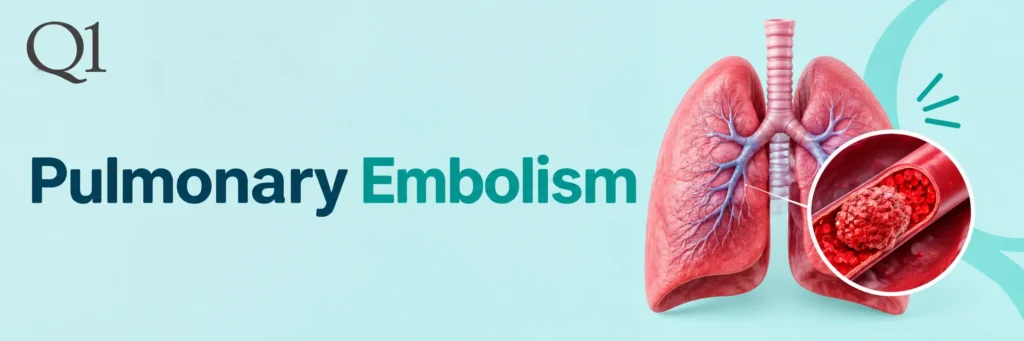
Pulmonary embolism (PE) is a serious medical condition that occurs when a blood clot blocks an artery in the lungs. In most cases, the clot develops in a deep vein, usually in the legs, and travels through the bloodstream to the lungs. This condition can reduce blood flow, affect oxygen levels and place significant pressure on the heart.
Pulmonary embolism can develop suddenly and may become life-threatening without immediate treatment. Common warning signs include sudden breathlessness, chest pain, rapid heartbeat, coughing and sometimes coughing up blood.
Recognising these symptoms early is important because timely diagnosis and emergency treatment can help prevent serious complications. Anyone experiencing sudden breathing difficulty or unexplained chest pain should seek immediate medical attention.
What Is Pulmonary Embolism?
Pulmonary embolism occurs when a blood clot becomes lodged in one of the pulmonary arteries that carry blood from the heart to the lungs.
The condition is commonly associated with deep vein thrombosis (DVT), where a blood clot forms in a deep vein, usually in the leg or pelvis. If part of the clot breaks away, it can travel through the bloodstream and reach the lungs.
Depending on the size and location of the clot, pulmonary embolism can block blood flow to a small or large portion of the lungs. This may reduce oxygen supply and make it harder for the heart to pump blood effectively.
A large clot or multiple clots can cause severe breathing problems, low blood pressure and strain on the heart. Therefore, pulmonary embolism should always be treated as a medical emergency.
Early Warning Signs of Pulmonary Embolism
Symptoms may appear suddenly or develop gradually, depending on the size of the clot and the extent of the blockage.
- Sudden Shortness of Breath: Sudden difficulty breathing is one of the most common symptoms. A person may feel breathless even while resting or performing simple activities.
The breathing difficulty may occur without any obvious reason and should never be ignored.
- Chest Pain:Chest pain may become worse while taking a deep breath, coughing or moving. Some people experience sharp pain, while others describe pressure or discomfort in the chest.
- Rapid Heartbeat:The heart may beat faster than normal as it tries to maintain adequate blood circulation and oxygen supply.
- Coughing Up Blood:Some individuals may cough up small amounts of blood or blood-stained mucus. This can occur when the blockage affects lung tissue.
- Dizziness or Fainting: A significant blockage can reduce blood circulation and cause dizziness, weakness or fainting.
- Leg Pain or Swelling: When pulmonary embolism develops from deep vein thrombosis, the affected leg may show signs such as swelling, tenderness, warmth or redness.
Not everyone experiences all these symptoms. Sudden breathlessness, chest pain or fainting requires immediate emergency assessment.
Major Causes and Risk Factors of Pulmonary Embolism
Pulmonary embolism usually develops when a blood clot travels from another part of the body to the lungs.
Several factors can increase the likelihood of blood clot formation.
1. Prolonged Sitting or Immobility
Remaining in one position for long periods can slow blood circulation in the legs. This may increase the risk of clot formation, particularly during long-distance travel, hospitalisation or extended bed rest.
2. Recent Surgery or Hospitalisation
Major surgery, especially involving the abdomen, pelvis, hips or legs, can increase the risk of deep vein thrombosis.
Limited movement during recovery may further increase the chances of developing a blood clot.
3. Pregnancy and the Postpartum Period
Pregnancy causes changes in blood clotting that help reduce bleeding during childbirth. However, these changes also increase the risk of blood clots.
The risk remains elevated for several weeks after delivery.
4. Cancer
Certain cancers and cancer treatments can increase the tendency of blood to clot. People undergoing chemotherapy or major cancer-related surgery may have an increased risk.
5. Obesity
Excess body weight can affect blood circulation and is associated with an increased risk of deep vein thrombosis and pulmonary embolism.
6. Smoking
Smoking can damage blood vessels and contribute to cardiovascular problems. It may also increase the risk of developing blood clots, particularly when combined with other risk factors.
7. Previous Blood Clots
People who have previously experienced deep vein thrombosis or pulmonary embolism have a higher risk of developing another clot.
Some inherited or acquired blood-clotting disorders can also increase this risk.
How Is Pulmonary Embolism Diagnosed?
Early diagnosis is essential because pulmonary embolism can progress rapidly. Doctors assess symptoms, medical history and risk factors before selecting appropriate investigations.
Common diagnostic tests include:
D-dimer Blood Test: This blood test measures a substance released when blood clots break down. A normal result may help rule out pulmonary embolism in people with a low or intermediate clinical probability. An elevated result does not confirm a clot by itself.
CT Pulmonary Angiography: This specialised CT scan uses contrast material to examine the blood vessels in the lungs. It is commonly used to identify clots blocking pulmonary arteries.
Doppler Ultrasound:An ultrasound examination of the legs can help identify deep vein thrombosis, which may be the source of the clot.
Electrocardiogram (ECG):An ECG records the electrical activity of the heart. It may help identify signs of strain on the heart, although it cannot independently confirm pulmonary embolism.
Echocardiogram: An echocardiogram uses ultrasound to examine the heart’s structure and function. It can help assess whether pulmonary embolism is placing pressure on the right side of the heart.
The choice of investigations depends on the patient’s condition, clinical assessment and suspected severity.
Emergency Treatment for Pulmonary Embolism
Pulmonary embolism requires urgent medical treatment. The main goals are to prevent the clot from growing, reduce the risk of additional clots and restore normal blood circulation when necessary.
1. Anticoagulant Medicines
Anticoagulants, commonly known as blood thinners, are the main treatment for many patients with pulmonary embolism.
These medicines reduce the blood’s ability to form new clots and prevent existing clots from growing. The body gradually breaks down the clot over time.
Treatment may involve injectable medicines or oral anticoagulants, depending on the patient’s condition.
2. Thrombolytic Therapy
For selected patients with severe pulmonary embolism causing dangerously low blood pressure or circulatory instability, doctors may recommend thrombolytic medicines.
These medicines help dissolve blood clots more quickly. However, they carry a risk of serious bleeding and are used only when the expected benefits outweigh the risks.
3. Catheter-Based Treatment
In certain high-risk cases, doctors may use a catheter-based procedure to remove or break down the clot.
A thin tube is guided through a blood vessel towards the pulmonary arteries. Depending on the situation, specialised techniques may be used to remove the clot or deliver clot-dissolving medication.
4. Surgical Embolectomy
Surgical embolectomy involves removing the blood clot from the pulmonary arteries.
It may be considered in selected patients with severe pulmonary embolism when other treatments are unsuitable or unsuccessful.
5. Oxygen and Supportive Care
Patients experiencing breathing difficulties or low oxygen levels may require oxygen support and close monitoring.
In severe cases, intensive care may be necessary to support breathing, blood pressure and heart function.
Possible Complications of Untreated Pulmonary Embolism
If pulmonary embolism is not treated promptly, it can cause serious health complications.
- Heart strain: A large clot can increase pressure in the pulmonary arteries and place excessive strain on the right side of the heart.
- Low oxygen levels: Reduced blood flow to the lungs can interfere with oxygen transfer into the bloodstream.
- Lung tissue damage: In some cases, reduced blood supply can damage a portion of lung tissue.
- Chronic thromboembolic pulmonary hypertension: Some patients develop persistent blockage and increased pressure in the lung arteries, causing long-term breathing difficulties.
- Cardiac arrest: A severe pulmonary embolism can cause circulatory collapse and become life-threatening.
Early diagnosis and appropriate treatment are important for reducing these risks.
Prevention Tips to Reduce Blood Clot Risk
Although pulmonary embolism cannot always be prevented, certain measures can help reduce the risk of developing blood clots.
- Avoid sitting in the same position for long periods.
- Walk and move your legs regularly during long journeys.
- Stay physically active according to your health condition.
- Maintain a healthy body weight.
- Drink adequate fluids.
- Avoid smoking.
- Follow medical advice after surgery or hospitalisation.
- Use prescribed compression stockings or preventive medicines when recommended.
- Inform your doctor if you have a previous history of blood clots.
People at higher risk should discuss appropriate prevention measures with their healthcare provider, especially before surgery or during pregnancy.
When Should You Seek Emergency Medical Attention?
Pulmonary embolism can become life-threatening within a short period. Do not delay medical care if you experience:
- Sudden or unexplained shortness of breath.
- Sharp or severe chest pain.
- Coughing up blood.
- Rapid heartbeat with breathing difficulty.
- Fainting or severe dizziness.
- Sudden leg swelling or pain accompanied by chest symptoms.
Call emergency medical services or go to the nearest emergency department immediately. Do not attempt to treat suspected pulmonary embolism at home.
Pulmonary Embolism Evaluation and Emergency Care at Q1 Hospitals
Pulmonary embolism requires rapid medical assessment to identify the blockage and determine the severity of the condition. Patients experiencing sudden breathlessness, chest pain or other warning signs should receive immediate emergency evaluation.
At Q1 Hospitals, patients can seek medical assessment for urgent health concerns. Doctors may recommend blood investigations, imaging and heart-related tests based on the patient’s symptoms and clinical condition.
Treatment decisions depend on the severity of the clot and may involve anticoagulant medication, supportive care or specialist procedures when required.
Timely medical attention is essential for reducing complications and supporting recovery.
Conclusion
Pulmonary embolism is a serious condition caused by a blood clot blocking an artery in the lungs. It commonly develops when a clot travels from a deep vein in the leg or pelvis to the lungs.
Sudden breathlessness, chest pain, rapid heartbeat, coughing up blood and fainting are important warning signs that require immediate medical attention. Risk factors include prolonged immobility, recent surgery, pregnancy, cancer, obesity and a previous history of blood clots.
Early diagnosis and emergency treatment can help prevent severe complications and improve outcomes. Recognising the symptoms and seeking immediate medical care are essential for protecting lung and heart health.
Book your appointment now
Related Blogs

Prostate Cancer: Early Warning Signs, Screening and Treatment Options Prostate cancer is one of the most common cancers affecting men, particularly those above the age of 50. It develops when
Pulmonary Embolism: Warning Signs of a Blood Clot in the Lungs and Emergency Treatment Pulmonary embolism (PE) is a serious medical condition that occurs when a blood clot blocks an
Sudden Hearing Loss: Why Immediate Medical Evaluation Matters Hearing is an important part of everyday communication and helps us stay connected with the people and surroundings around us. However, experiencing
Intestinal Obstruction: Symptoms, Causes and Emergency Treatment Intestinal obstruction is a serious medical condition in which the normal movement of food, fluids, digestive contents and gas through the intestines becomes

Ovarian Cysts: Types, Symptoms and When Surgery May Be Required Ovarian cysts are fluid-filled sacs or pockets that develop in or on the ovaries. They are common among women of
Why Does My Heel Hurt When I Take My First Steps in the Morning? Heel pain during the first few steps after waking up is a common complaint. Some people