
Ovarian Cysts: Types, Symptoms and When Surgery May Be Required
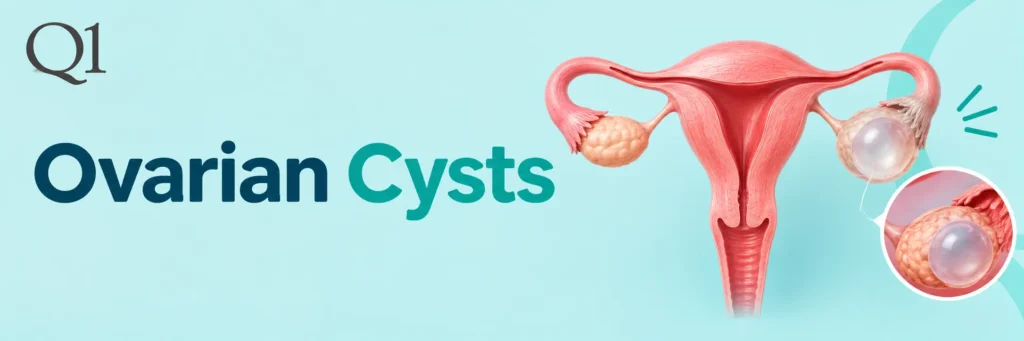
Ovarian cysts are fluid-filled sacs or pockets that develop in or on the ovaries. They are common among women of reproductive age and may occur during different stages of life. Many ovarian cysts are harmless and disappear naturally without requiring medical treatment. However, some cysts may grow larger, cause discomfort or lead to complications that require medical attention.
The ovaries are part of the female reproductive system and are responsible for releasing eggs and producing hormones such as oestrogen and progesterone. Changes in the normal menstrual cycle, hormonal imbalances and certain medical conditions can contribute to the development of ovarian cysts.
While many women do not experience noticeable symptoms, others may develop pelvic pain, abdominal bloating, irregular periods or discomfort during sexual activity. Understanding the different types of ovarian cysts, their warning signs and available treatment options can help women seek timely medical care.
What Are Ovarian Cysts?
Ovarian cysts are fluid-filled or sometimes solid-containing sacs that develop within an ovary or on its surface. They can vary in size, from very small cysts that are difficult to detect to larger growths that may cause pressure or discomfort.
Most ovarian cysts are functional cysts, which develop as part of the normal menstrual cycle. They are generally non-cancerous and often resolve on their own within a few menstrual cycles.
However, some cysts develop due to underlying conditions and may require regular monitoring or treatment. The nature of the cyst, its size, appearance and symptoms help doctors determine the appropriate approach.
Different Types of Ovarian Cysts
Ovarian cysts are classified into different types based on how they develop and their characteristics.
1. Follicular Cysts
During a normal menstrual cycle, an egg develops inside a small sac called a follicle. Usually, the follicle releases the egg during ovulation.
Sometimes, the follicle does not release the egg and continues to grow, resulting in a follicular cyst. These cysts are generally harmless and often disappear without treatment.
2. Corpus Luteum Cysts
After an egg is released, the empty follicle develops into a structure called the corpus luteum, which produces hormones that support the menstrual cycle and early pregnancy.
If fluid or blood collects inside this structure, a corpus luteum cyst may develop. Some cysts cause pelvic discomfort, while others do not produce symptoms.
3. Dermoid Cysts
Dermoid cysts, also called mature cystic teratomas, develop from reproductive cells. They may contain different types of tissue, including hair, skin and fatty material.
These cysts are usually non-cancerous but may grow over time. Larger dermoid cysts can increase the risk of ovarian twisting, known as ovarian torsion.
4. Endometriomas
Endometriomas develop in women with endometriosis, a condition in which tissue similar to the lining of the uterus grows outside the uterus.
When this tissue affects the ovaries, it can form cysts containing thick, dark blood. These cysts may be associated with pelvic pain, painful periods and fertility difficulties.
5. Cystadenomas
Cystadenomas develop from cells on the surface of the ovary. They may contain watery or thick, mucus-like fluid.
Although many cystadenomas are non-cancerous, they can become large and cause abdominal pressure or discomfort.
6. Polycystic Ovaries
Polycystic ovary syndrome (PCOS) is a hormonal condition associated with irregular ovulation, increased androgen levels and multiple small follicles in the ovaries.
These follicles are not the same as the larger ovarian cysts described above. PCOS is a hormonal and metabolic condition that requires a different approach to diagnosis and management.
Common Symptoms of Ovarian Cysts
Many ovarian cysts do not cause symptoms and are discovered during routine pelvic examinations or ultrasound scans.
When symptoms develop, they may include:
- Pelvic pain: Dull or sharp pain on one side of the lower abdomen.
- Abdominal bloating: A feeling of fullness or swelling in the stomach area.
- Irregular periods: Changes in menstrual timing, flow or duration.
- Pain during intercourse: Discomfort or pain during sexual activity.
- Frequent urination: Pressure from a larger cyst may affect the bladder.
- Difficulty passing stools: A cyst may create pressure on nearby organs.
- Lower back discomfort: Some women experience pain extending towards the lower back or thighs.
- Feeling full quickly: Larger cysts may cause pressure and reduce appetite.
The severity of symptoms depends on the cyst’s size, location and type. Persistent or worsening symptoms should be evaluated by a gynaecologist rather than ignored.
Causes and Risk Factors of Ovarian Cysts
Ovarian cysts can develop for several reasons. Some are associated with normal hormonal changes, while others may be linked to reproductive health conditions.
Common causes and risk factors include:
- Hormonal changes: Changes in hormone levels during the menstrual cycle can contribute to functional cyst formation.
- Endometriosis: Women with endometriosis may develop endometriomas on their ovaries.
- Pregnancy: A corpus luteum cyst may develop during early pregnancy and sometimes remain visible for a period of time.
- Previous ovarian cysts: Women who have developed ovarian cysts before may experience them again.
- Pelvic infections: Severe pelvic infections can sometimes affect the ovaries and surrounding reproductive organs.
- Hormonal conditions: Conditions affecting normal ovulation may influence ovarian activity and the appearance of ovarian follicles.
Having an ovarian cyst does not automatically indicate a serious medical condition. Proper evaluation helps identify its type and determine whether treatment is necessary.
How Are Ovarian Cysts Diagnosed?
Diagnosis involves reviewing symptoms, understanding menstrual and reproductive history and performing suitable investigations. Doctors consider the cyst’s size, appearance and other clinical findings before recommending treatment.
Common diagnostic methods include:
1. Pelvic Examination
A gynaecologist may perform a pelvic examination to check for tenderness, swelling or an unusual mass around the reproductive organs.
2. Ultrasound Scan
Ultrasound is one of the most commonly used methods to identify ovarian cysts. It helps doctors examine the cyst’s size, location and internal structure.
A transvaginal ultrasound may provide clearer images of the ovaries when appropriate.
3. Blood Tests
Blood tests may be recommended depending on the patient’s age, symptoms and ultrasound findings.
A CA-125 blood test may be considered when there are concerns about ovarian cancer, particularly in women after menopause. However, an elevated CA-125 level does not confirm cancer because it can also increase in non-cancerous conditions.
4. Pregnancy Test
A pregnancy test may be advised for women of reproductive age to rule out pregnancy-related causes of pelvic pain and understand whether the cyst may be associated with pregnancy.
5. MRI or Additional Imaging
If an ultrasound does not provide enough information, an MRI or other imaging investigation may be recommended to examine the cyst in greater detail
Treatment Options for Ovarian Cysts
Treatment depends on the cyst’s type, size, appearance, symptoms and the patient’s age and reproductive plans. Not every ovarian cyst requires surgery.
1. Watchful Waiting: Small, simple cysts that do not cause symptoms may disappear naturally.
Doctors may recommend monitoring the cyst through follow-up ultrasound scans to check whether it is reducing in size or changing in appearance.
2. Medication: Pain-relief medicines may be recommended to manage discomfort. Hormonal contraceptives may help prevent some new functional cysts from developing, although they do not reliably make existing cysts disappear faster.
Medication is selected according to the patient’s medical history and symptoms.
3. Laparoscopic Surgery: Laparoscopy is a minimally invasive surgical procedure performed through small incisions in the abdomen using a camera and specialised instruments.
It may be recommended when a cyst is large, persistent, painful or has features that require surgical evaluation.
Whenever possible, doctors may perform a cystectomy, which removes the cyst while preserving the healthy ovarian tissue.
4. Open Surgery: In some cases, particularly when a cyst is very large or there is a concern about cancer, open surgery may be recommended.
This procedure involves a larger abdominal incision and allows the surgeon to examine and treat the affected area.
5. Removal of the Ovary: If the cyst has significantly damaged the ovary or there is a strong suspicion of cancer, removal of the affected ovary may be necessary.
The decision depends on the patient’s condition, age, fertility plans and surgical findings.
When May Surgery Be Required?
Most ovarian cysts do not require surgery. However, surgical treatment may be considered when the cyst causes significant problems or has concerning characteristics.
A doctor may recommend surgery in the following situations:
- The cyst continues to grow or does not disappear over time.
- It causes persistent or severe pelvic pain.
- The cyst is very large and creates pressure on nearby organs.
- Ultrasound findings show solid areas or other suspicious features.
- There is a risk of ovarian torsion or rupture.
- The cyst is associated with complications such as bleeding.
- There is a concern about ovarian cancer.
The decision to operate is based on individual medical assessment rather than cyst size alone. Doctors also consider whether the patient wishes to preserve fertility and ovarian function.
Possible Complications of Ovarian Cysts
Although most ovarian cysts are harmless, certain cysts can lead to complications.
1. Ovarian Torsion
Ovarian torsion occurs when the ovary twists around the tissues that support it, potentially reducing or cutting off its blood supply.
It may cause sudden, severe pelvic pain, nausea and vomiting. This is a medical emergency and may require immediate surgery to protect the ovary.
2. Cyst Rupture
An ovarian cyst may burst or rupture, releasing its contents into the surrounding pelvic area. This can cause sudden pain and sometimes internal bleeding.
Severe pain, dizziness, fainting or heavy bleeding requires urgent medical attention.
3. Internal Bleeding
Some cysts, particularly haemorrhagic cysts, may bleed. Significant internal bleeding can lead to weakness, dizziness and a drop in blood pressure.
4. Pressure on Nearby Organs
Large cysts may press against the bladder or bowel, causing frequent urination, constipation or abdominal discomfort.
When Should You Seek Medical Attention?
Women should consult a gynaecologist if they experience persistent pelvic pain, unusual menstrual changes, abdominal swelling or other symptoms that may indicate an ovarian cyst.
Seek immediate medical attention if you experience:
- Sudden and severe lower abdominal or pelvic pain.
- Pelvic pain accompanied by fever or vomiting.
- Dizziness, fainting or unusual weakness.
- Rapid breathing or signs of significant blood loss.
- Severe pain that continues to worsen.
These symptoms may indicate ovarian torsion, cyst rupture or another urgent medical condition. Early evaluation is important to prevent further complications.
Ovarian Cyst Evaluation and Treatment at Q1 Hospitals
Ovarian cysts require proper gynaecological evaluation to identify their type, size and possible complications. At Q1 Hospitals, women can seek medical consultation for pelvic pain, irregular periods, abdominal discomfort and other ovarian health concerns.
Depending on the patient’s symptoms and medical history, doctors may recommend pelvic examinations, ultrasound scans and additional investigations. Treatment may involve observation, medication or surgical management based on the cyst’s characteristics and the patient’s reproductive health needs.
Women experiencing persistent symptoms or sudden severe pelvic pain should not delay medical evaluation. Timely diagnosis helps doctors determine the appropriate treatment and protect reproductive health.
Conclusion
Ovarian cysts are common among women and often disappear naturally without causing serious health problems. However, some cysts may grow, cause persistent pain or lead to complications such as ovarian torsion and rupture.
Understanding the different types of ovarian cysts, recognising early symptoms and attending recommended medical check-ups can help women manage the condition effectively. Surgery may be required in selected cases depending on the cyst’s size, appearance, symptoms and potential risks.
Schedule a Consultation
Related Blogs

Prostate Cancer: Early Warning Signs, Screening and Treatment Options Prostate cancer is one of the most common cancers affecting men, particularly those above the age of 50. It develops when
Pulmonary Embolism: Warning Signs of a Blood Clot in the Lungs and Emergency Treatment Pulmonary embolism (PE) is a serious medical condition that occurs when a blood clot blocks an
Sudden Hearing Loss: Why Immediate Medical Evaluation Matters Hearing is an important part of everyday communication and helps us stay connected with the people and surroundings around us. However, experiencing
Intestinal Obstruction: Symptoms, Causes and Emergency Treatment Intestinal obstruction is a serious medical condition in which the normal movement of food, fluids, digestive contents and gas through the intestines becomes

Ovarian Cysts: Types, Symptoms and When Surgery May Be Required Ovarian cysts are fluid-filled sacs or pockets that develop in or on the ovaries. They are common among women of
Why Does My Heel Hurt When I Take My First Steps in the Morning? Heel pain during the first few steps after waking up is a common complaint. Some people