
Intestinal Obstruction: Symptoms, Causes and Emergency Treatment
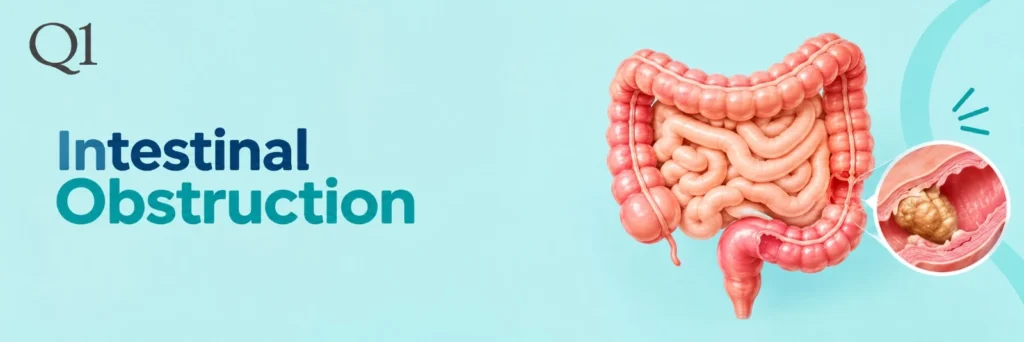
Intestinal obstruction is a serious medical condition in which the normal movement of food, fluids, digestive contents and gas through the intestines becomes partially or completely blocked. This blockage can occur in the small intestine or large intestine and may prevent the digestive system from functioning properly.
The condition can develop suddenly or gradually, depending on its underlying cause. Common symptoms include severe abdominal pain, vomiting, abdominal swelling, constipation and difficulty passing gas. In some cases, intestinal obstruction can become life-threatening if it is not treated promptly.
An untreated blockage may reduce blood supply to a portion of the intestine, causing tissue damage, infection or even a rupture. Recognising the warning signs and seeking immediate medical attention are essential for preventing serious complications.
What Is Intestinal Obstruction?
Intestinal obstruction occurs when something prevents the normal passage of digestive contents through the intestines. The blockage may be partial, allowing some contents to pass, or complete, stopping the movement of intestinal contents altogether.
The condition is generally classified into two main types:
- Small Bowel Obstruction
Small bowel obstruction occurs when the small intestine becomes partially or completely blocked. It may develop due to scar tissue from previous abdominal surgery, hernias, intestinal tumours or certain inflammatory conditions.
Symptoms may appear relatively quickly and can include abdominal cramps, vomiting, bloating and difficulty passing gas or stools.
- Large Bowel Obstruction
Large bowel obstruction affects the colon or large intestine. It may develop due to colorectal cancer, twisting of the intestine, severe constipation or narrowing caused by inflammation or scarring.
People with large bowel obstruction may experience abdominal swelling, constipation, pain and difficulty passing stools.
Both types require medical assessment, as the severity and treatment depend on the location and cause of the blockage.
Common Symptoms of Intestinal Obstruction
The symptoms of intestinal obstruction can vary depending on whether the blockage is partial or complete. They may also differ based on the location and severity of the obstruction.
1. Severe Abdominal Pain and Cramps
Abdominal pain is one of the most common symptoms. It may occur in waves, with periods of intense cramping followed by temporary relief.
If the pain becomes continuous, severe or rapidly worsens, it may indicate a serious complication, such as reduced blood supply to the intestine.
2. Abdominal Swelling and Bloating
A blockage can cause gas, fluids and digestive contents to accumulate inside the intestines. This may lead to visible abdominal swelling, tightness and discomfort.
The swelling may become more noticeable as the obstruction progresses.
3. Nausea and Vomiting
When digestive contents cannot move normally through the intestine, nausea and vomiting may develop. Vomiting can occur repeatedly, particularly in small bowel obstruction.
In advanced cases, the vomit may have an unpleasant, stool-like smell, which requires urgent medical attention.
4. Constipation and Inability to Pass Gas
A person with intestinal obstruction may experience difficulty passing stools or gas. Complete inability to pass either can be a warning sign of complete obstruction.
However, people with partial obstruction may still pass small amounts of stool or gas.
5. Loss of Appetite
Abdominal discomfort, nausea and digestive disturbances can reduce the desire to eat. Some individuals may also feel unusually full even after consuming small quantities of food.
6. Dehydration and Weakness
Repeated vomiting and the accumulation of fluids inside the intestine can lead to dehydration. Symptoms may include dry mouth, reduced urination, dizziness, weakness and increased thirst.
Severe dehydration can affect blood pressure and overall body function.
Major Causes of Intestinal Obstruction
Intestinal obstruction can develop due to several conditions affecting the structure or movement of the digestive system.
Abdominal Adhesions: Adhesions are bands of scar tissue that may form inside the abdomen after surgery or infection. They can cause sections of the intestine to stick together or become compressed, resulting in a blockage.
Previous abdominal or pelvic surgery is one of the common causes of small bowel obstruction.
Hernia: A hernia occurs when an internal organ or tissue pushes through a weak area in the surrounding muscle or tissue.
Sometimes, a portion of the intestine becomes trapped inside the hernia. If it cannot return to its normal position, it may cause intestinal obstruction.
A trapped hernia can also affect the blood supply to the intestine and requires urgent medical attention.
Intestinal Tumours: Tumours in the small intestine or colon may narrow the passage and prevent digestive contents from moving normally.
Colorectal cancer is an important cause of large bowel obstruction, particularly in older adults.
Volvulus: Volvulus occurs when a portion of the intestine twists around itself. This twisting can block the passage of digestive contents and may also cut off the blood supply to the affected area.
It is a medical emergency because prolonged twisting can cause serious intestinal damage.
Intussusception: Intussusception occurs when one part of the intestine slides into an adjacent section, similar to the sections of a telescope folding into one another.
It is more commonly seen in children, although it can also occur in adults. The condition may cause abdominal pain, vomiting and intestinal blockage.
Inflammatory Bowel Conditions: Conditions such as Crohn’s disease can cause inflammation and scarring in the intestinal wall. Over time, this may lead to narrowing of the intestinal passage and obstruction.
Severe Constipation: Severe and prolonged constipation can sometimes result in the formation of a hard mass of stool known as faecal impaction. This may obstruct the passage of stool, particularly in the large intestine or rectum.
Risk Factors That Increase the Chances of Intestinal Obstruction
Certain medical conditions and previous health experiences can increase the likelihood of developing intestinal obstruction.
Important risk factors include:
- Previous abdominal or pelvic surgery.
- A history of abdominal or groin hernia.
- Colorectal cancer or other intestinal tumours.
- Crohn’s disease and other inflammatory bowel conditions.
- Chronic or severe constipation.
- Previous episodes of intestinal obstruction.
- Certain abdominal infections or inflammatory conditions.
- Older age, particularly when associated with underlying bowel conditions.
Having one or more risk factors does not necessarily mean a person will develop intestinal obstruction. However, people with these conditions should seek medical evaluation if they experience persistent abdominal symptoms.
How Is Intestinal Obstruction Diagnosed?
Early diagnosis is important because intestinal obstruction can worsen quickly, especially when the blood supply to the intestine is affected.
Doctors generally assess the patient’s symptoms, medical history and physical condition before recommending appropriate investigations.
- Physical Examination
The doctor examines the abdomen for swelling, tenderness, pain and unusual firmness. Bowel sounds may also be assessed using a stethoscope.
- Blood Tests
Blood investigations help identify dehydration, electrolyte imbalances, infection and other signs of complications.
A complete blood count and kidney function tests may be recommended depending on the patient’s condition.
- Abdominal X-ray
An abdominal X-ray can help identify dilated intestinal loops and abnormal gas patterns that may suggest an obstruction.
- CT Scan of the Abdomen
A CT scan provides detailed images of the abdominal organs and intestines. It can help identify the location, severity and possible cause of the blockage.
It may also help detect complications such as reduced blood supply, perforation or inflammation.
- Ultrasound Examination
An ultrasound may be useful in selected cases, particularly when evaluating children or specific abdominal conditions.
The doctor selects the most appropriate investigations based on the patient’s symptoms and clinical findings.
Emergency Treatment for Intestinal Obstruction
Intestinal obstruction requires prompt medical attention. Treatment depends on the type of blockage, its severity, the underlying cause and whether complications are present.
The main goals are to relieve the obstruction, correct fluid and electrolyte imbalances and prevent damage to the intestine.
1. Hospitalisation and Initial Stabilisation
Patients with suspected intestinal obstruction are generally assessed in a hospital. Initial treatment may include:
- Intravenous fluids to correct dehydration.
- Medicines to control pain and nausea.
- Monitoring of blood pressure, heart rate and urine output.
- Correction of electrolyte imbalances.
- Temporary restriction of food and fluids by mouth.
These measures help stabilise the patient while doctors determine the most appropriate treatment.
2. Nasogastric Tube Decompression
In some cases, doctors may insert a thin tube through the nose into the stomach. This is known as a nasogastric tube.
It helps remove accumulated fluid and gas from the stomach and upper digestive tract, reducing vomiting, pressure and abdominal discomfort.
3. Non-Surgical Treatment
Some partial intestinal obstructions may improve without surgery, depending on their cause and the patient’s condition.
Doctors may recommend careful observation, intravenous fluids, bowel rest and decompression while monitoring the patient’s progress.
Treatment must be supervised in a hospital because an obstruction can worsen or develop complications.
4. Surgical Treatment
Surgery may be necessary when the blockage does not resolve, is complete, or is associated with serious complications.
Depending on the cause, surgical procedures may include:
Adhesiolysis: Removal or separation of scar tissue responsible for the blockage.
Hernia Repair: Returning the trapped intestine to its normal position and repairing the weakened area.
Bowel Resection: Removal of a damaged or non-functional section of the intestine. The healthy ends may then be reconnected when appropriate.
Treatment of Volvulus: Untwisting the affected intestine and removing damaged tissue if necessary.
The choice of procedure depends on the location of the obstruction and the condition of the intestine.
Possible Complications of Untreated Intestinal Obstruction
Ignoring intestinal obstruction or delaying treatment can lead to serious complications. A prolonged blockage may increase pressure inside the intestine and affect its blood supply.
Some possible complications include.
*Intestinal Ischaemia:
Reduced blood flow to the intestine can cause tissue damage. If the blood supply is not restored, the affected section may become non-viable.
*Bowel Perforation:
Severe pressure and tissue damage may cause a hole or tear in the intestinal wall. This can allow intestinal contents to leak into the abdominal cavity.
*Peritonitis:
Peritonitis is inflammation or infection of the lining of the abdominal cavity. It may develop following intestinal perforation and requires emergency treatment.
*Sepsis:
If an infection spreads into the bloodstream, it can cause sepsis, a potentially life-threatening condition that requires immediate medical care.
*Severe Dehydration:
Repeated vomiting and fluid loss can lead to dehydration and electrolyte disturbances, affecting kidney function and circulation.
These complications highlight why intestinal obstruction should never be managed at home without medical evaluation.
When Should You Seek Emergency Medical Attention?
Certain symptoms may indicate intestinal obstruction or a serious complication. Immediate medical evaluation is necessary if you experience:
- Severe or persistent abdominal pain.
- Repeated vomiting.
- Significant abdominal swelling.
- Inability to pass stools or gas.
- Fever accompanied by abdominal pain.
- Blood in the stool.
- Dizziness, fainting or signs of severe dehydration.
- A painful, swollen hernia that cannot be pushed back.
Do not wait for symptoms to improve on their own. Avoid taking laxatives, using home remedies or eating large meals when intestinal obstruction is suspected. Seek emergency medical care.
Recovery and Prevention After Intestinal Obstruction
Recovery depends on the cause of the obstruction, the treatment provided and whether surgery was required.
Patients may need to remain in the hospital until bowel function improves and they can tolerate food and fluids.
After treatment, the doctor may recommend:
- Gradually restarting food as advised by the medical team.
- Drinking sufficient fluids.
- Following dietary instructions based on the underlying condition.
- Staying physically active when medically permitted.
- Managing constipation with appropriate medical guidance.
- Attending follow-up appointments.
- Monitoring for recurring abdominal pain, vomiting or swelling.
Not all types of intestinal obstruction can be prevented. However, managing underlying bowel conditions, seeking early treatment for hernias and following medical advice after abdominal surgery may help reduce certain risks.
People with recurring digestive symptoms should not ignore them, as timely evaluation may help identify the underlying problem.
Intestinal Obstruction Evaluation and Surgical Care at Q1 Hospitals
Intestinal obstruction is a condition that requires timely diagnosis and appropriate treatment to prevent serious complications. Patients experiencing severe abdominal pain, vomiting, swelling or difficulty passing stools should receive immediate medical assessment.
At Q1 Hospitals, patients can seek evaluation for abdominal and digestive health concerns. Based on the patient’s symptoms and clinical findings, doctors may recommend suitable investigations to identify the cause and severity of the obstruction.
Treatment decisions depend on the patient’s overall health and the nature of the blockage. Some cases may require hospital-based supportive management, while others may need surgical intervention.
Early medical attention is important for identifying complications and determining the appropriate course of care.
Conclusion
Intestinal obstruction is a potentially serious condition that prevents the normal movement of digestive contents through the intestines. It may develop due to abdominal adhesions, hernias, tumours, intestinal twisting, inflammation or severe constipation.
Symptoms such as abdominal pain, vomiting, swelling and inability to pass gas or stools should never be ignored. Delayed treatment can lead to reduced blood supply, intestinal damage, perforation and life-threatening infections.
Early diagnosis, appropriate hospital treatment and timely surgical intervention when necessary can help prevent complications and support recovery. If intestinal obstruction is suspected, seeking emergency medical attention is essential for protecting digestive health and overall well-being.
Book your appointment now
Related Blogs

Prostate Cancer: Early Warning Signs, Screening and Treatment Options Prostate cancer is one of the most common cancers affecting men, particularly those above the age of 50. It develops when
Pulmonary Embolism: Warning Signs of a Blood Clot in the Lungs and Emergency Treatment Pulmonary embolism (PE) is a serious medical condition that occurs when a blood clot blocks an
Sudden Hearing Loss: Why Immediate Medical Evaluation Matters Hearing is an important part of everyday communication and helps us stay connected with the people and surroundings around us. However, experiencing
Intestinal Obstruction: Symptoms, Causes and Emergency Treatment Intestinal obstruction is a serious medical condition in which the normal movement of food, fluids, digestive contents and gas through the intestines becomes

Ovarian Cysts: Types, Symptoms and When Surgery May Be Required Ovarian cysts are fluid-filled sacs or pockets that develop in or on the ovaries. They are common among women of
Why Does My Heel Hurt When I Take My First Steps in the Morning? Heel pain during the first few steps after waking up is a common complaint. Some people