Deep Vein Thrombosis (DVT): Signs of Blood Clots in the Legs and Prevention
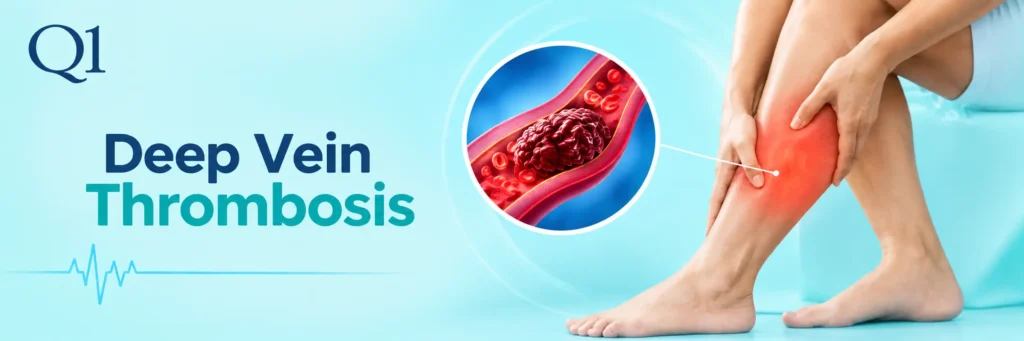
Deep Vein Thrombosis (DVT) is a medical condition in which a blood clot forms in one or more deep veins, most commonly in the legs. These clots can partially or completely block blood flow, causing swelling, pain and discomfort. DVT requires timely medical attention because the clot can sometimes travel through the bloodstream to the lungs and cause a life-threatening condition called pulmonary embolism.
DVT can affect people of different age groups, although certain factors such as prolonged immobility, major surgery, hospitalisation and specific medical conditions can increase the risk. Some people develop noticeable symptoms, while others may have a blood clot without experiencing obvious warning signs.
Understanding the early symptoms, causes, risk factors and preventive measures can help people recognise DVT and seek medical care before serious complications develop.
What Is Deep Vein Thrombosis?
Deep Vein ThrombosisDeep Vein Thrombosis occurs when a blood clot, medically known as a Deep Vein Thrombosisthrombus, develops in a deep vein. Deep veins are blood vessels located within muscles and tissues that carry blood back towards the heart.
DVT commonly affects the calf, thigh or pelvis. It usually develops when normal blood circulation is disturbed, the blood becomes more likely to clot or the inner lining of a blood vessel is damaged.
Blood clots can form due to several reasons, including:
- Reduced blood flow caused by prolonged sitting or bed rest.
- Damage to blood vessels following surgery or injury.
- Increased blood clotting tendency due to certain medical conditions or medications.
A DVT clot may remain in the affected vein or break away and travel to the lungs. This is why early diagnosis and treatment are important.
Early Signs and Symptoms of DVT
DVT symptoms can vary depending on the location and size of the blood clot. In some cases, symptoms develop gradually, while others may appear suddenly.
Common warning signs include:
- Leg swelling: Swelling in one leg, particularly around the calf or ankle, is a common symptom.
- Pain or tenderness: Pain may develop in the calf or thigh and sometimes feel similar to muscle soreness.
- Warmth: The affected area may feel warmer than the surrounding skin.
- Skin discolouration: The skin may appear reddish, bluish or darker than usual.
- Heaviness in the leg: Some people experience a feeling of tightness or heaviness.
- Visible veins: Surface veins may become more noticeable due to changes in blood circulation.
- Discomfort while walking: Pain or tenderness may become more noticeable when standing or walking.
DVT does not always cause visible symptoms. Therefore, people with known risk factors should seek medical advice if they notice unusual swelling or discomfort in one leg.
Causes and Risk Factors of Deep Vein Thrombosis
DVT usually develops due to changes in blood flow, blood clotting or damage to blood vessels. Several factors can increase the likelihood of developing a blood clot.
1. Prolonged Sitting or Immobility
Remaining seated for long periods can slow blood circulation in the legs. Long-distance travel, extended bed rest and limited movement after illness may increase the risk of clot formation.
2. Surgery and Hospitalisation
Major surgeries, particularly involving the hips, knees or abdomen, can increase the risk of DVT. Reduced movement during recovery and changes in the body’s clotting response may contribute to blood clot formation.
3. Pregnancy and the Postpartum Period
Pregnancy causes natural changes in blood clotting and can slow blood flow from the legs. The risk of DVT remains elevated during the weeks following childbirth.
4. Obesity
Excess body weight can increase pressure on veins and affect blood circulation. Obesity is recognised as a risk factor for developing DVT.
5. Cancer and Cancer Treatment
Certain cancers and treatments such as chemotherapy can increase the body’s tendency to form blood clots.
6. Hormonal Medications
Some medicines containing oestrogen, including certain contraceptive pills and hormone replacement therapies, may increase the risk of blood clots.
7. Previous Blood Clots
People who have experienced DVT or pulmonary embolism in the past may have a higher risk of developing another clot.
8. Inherited Blood Clotting Disorders
Certain inherited conditions, such as Factor V Leiden and prothrombin gene mutations, can make blood more likely to clot.
Having one or more risk factors does not mean that a person will definitely develop DVT. However, understanding these factors helps identify people who may need preventive care.
How Is DVT Diagnosed?
Early diagnosis is important because DVT can lead to serious complications if left untreated. Doctors assess symptoms, medical history and risk factors before recommending suitable investigations.
Common diagnostic methods include:
1. Physical Examination
The doctor examines the affected leg for swelling, tenderness, warmth, skin discolouration and other signs that may indicate a blood clot.
2. D-Dimer Blood Test
The D-dimer test measures a substance released when blood clots break down.
A normal result may help rule out DVT in people with a low clinical probability of the condition. However, an elevated result does not confirm DVT because it can occur in other medical conditions as well.
3. Venous Doppler Ultrasound
A venous Doppler ultrasound is one of the main tests used to diagnose DVT. It uses sound waves to examine blood flow through the veins and identify possible clots.
The examination is non-invasive and does not involve radiation.
4. CT or MR Venography
In selected cases, doctors may recommend CT or MR venography to examine veins in areas such as the pelvis or abdomen when ultrasound results are insufficient.
The choice of investigation depends on the patient’s symptoms and clinical findings.
Treatment Options for Deep Vein Thrombosis
DVT treatment aims to prevent the clot from growing, reduce the risk of new clots and avoid complications such as pulmonary embolism.
Treatment depends on the location and severity of the clot, the patient’s overall health and the risk of bleeding.
* Anticoagulant Medicines
Anticoagulants, commonly known as blood thinners, are the main treatment for most cases of DVT.
These medicines reduce the blood’s ability to form clots and help prevent existing clots from growing. Commonly used medicines include heparin, apixaban, rivaroxaban and warfarin.
The duration of treatment depends on the cause of DVT and the patient’s risk factors. These medicines must be taken strictly according to medical advice because they can increase the risk of bleeding.
*Compression Stockings
Graduated compression stockings may be recommended for selected patients to help manage leg swelling and discomfort.
They apply controlled pressure to the legs and support venous blood flow. Their use should be based on medical assessment, particularly when poor arterial circulation is suspected.
*Thrombolytic Treatment
Thrombolytic medicines are used to dissolve blood clots in selected severe cases.
They are generally reserved for situations where the benefits outweigh the risk of serious bleeding, such as certain cases involving extensive DVT or limb-threatening complications.
*Catheter-Directed Procedures
In selected patients, doctors may use a catheter-based procedure to deliver clot-dissolving medication directly into the affected vein or remove the clot using specialised equipment.
These procedures are not required for most DVT cases.
*Inferior Vena Cava (IVC) Filter
An IVC filter is a small medical device placed inside a large vein in the abdomen. It is designed to catch blood clots before they travel to the lungs.
It may be considered in selected patients who cannot receive anticoagulant treatment or have specific complications. It is not routinely recommended for everyone with DVT.
Prevention of Deep Vein Thrombosis
Preventive measures can reduce the risk of blood clot formation, especially among people who travel frequently, undergo surgery or have limited mobility.
1. Stay Physically Active
Regular movement supports healthy blood circulation. Avoid remaining seated or inactive for long periods, particularly during work or travel.
2. Move During Long-Distance Travel
During long journeys, take regular breaks to stand, walk and stretch your legs when possible.
If you are unable to walk, perform simple ankle movements and calf exercises while seated.
3. Maintain a Healthy Body Weight
Maintaining a healthy weight can reduce pressure on the veins and support better circulation.
4. Stay Hydrated
Drink sufficient water throughout the day, particularly during long journeys or periods of physical inactivity. Hydration supports general health, although it cannot independently prevent DVT.
5. Follow Medical Advice After Surgery
Patients recovering from major surgery may be advised to walk early, use compression devices or take preventive anticoagulant medicines depending on their individual risk.
6. Avoid Smoking
Smoking can damage blood vessels and contribute to cardiovascular health problems. Avoiding tobacco supports better overall circulation.
7. Discuss Medication Risks
People using hormonal medicines or those with a history of blood clots should discuss their risks with a healthcare professional before starting or changing medication.
Possible Complications of DVT
DVT can lead to serious health problems if the blood clot is not diagnosed and treated appropriately.
Pulmonary Embolism
Pulmonary embolism occurs when a part of a blood clot travels to the lungs and blocks a blood vessel. It can cause sudden breathlessness, chest pain, rapid heartbeat or coughing up blood.
This is a medical emergency and requires immediate treatment.
Post-Thrombotic Syndrome
Damage to the veins following DVT can affect normal blood circulation in the legs. This may lead to long-term swelling, pain, heaviness and skin changes.
Recurrent Blood Clots
Some people may develop another DVT after recovering from an earlier episode. The risk depends on the original cause, medical history and other underlying conditions.
When Should You Seek Medical Attention?
Recognising warning signs and seeking timely medical evaluation can help prevent serious complications.
Consult a doctor promptly if you notice:
- Unexplained swelling in one leg.
- Persistent calf or thigh pain.
- Warmth or redness in the affected leg.
- Unusual tenderness or heaviness in the leg.
- Sudden changes in leg colour or appearance.
Seek emergency medical attention immediately if you experience sudden breathlessness, chest pain that worsens while breathing, coughing up blood, fainting or a rapid heartbeat. These may indicate pulmonary embolism.
Do not massage a leg suspected of having DVT or attempt to treat the condition using home remedies.
DVT Evaluation and Treatment at Q1 Hospitals
Deep Vein Thrombosis requires timely medical evaluation because a blood clot can sometimes travel to the lungs and cause serious complications. At Q1 Hospitals, patients can seek medical consultation for unexplained leg swelling, pain, tenderness and other symptoms associated with possible blood clots.
Depending on the patient’s symptoms and medical history, doctors may recommend a physical examination, D-dimer blood test and venous Doppler ultrasound. Treatment decisions are based on the clot’s location, severity, bleeding risk and overall health.
People with prolonged immobility, recent surgery or a previous history of blood clots should discuss appropriate preventive measures with a healthcare professional. Early diagnosis and suitable treatment can help reduce complications and support recovery.
Conclusion
Deep Vein Thrombosis is a serious condition in which blood clots develop in the deep veins, commonly affecting the legs. Symptoms such as one-sided swelling, calf pain, warmth and skin discolouration should not be ignored, particularly among people with known risk factors.
Staying active, avoiding prolonged immobility, following medical advice after surgery and understanding personal risk factors can help reduce the chances of developing DVT. Timely diagnosis and appropriate treatment are essential to prevent complications such as pulmonary embolism.
If you experience unusual leg swelling or persistent pain, seek medical evaluation rather than waiting for symptoms to worsen.
Book your appointment now
Related Blogs
Knee Joint Pain: Common Causes, Warning Signs and When to See an Orthopaedic Doctor Knee joint pain is one of the most common musculoskeletal complaints affecting people across different age
Robotic Knee Replacement Surgery in Vizag: Technology, Benefits and Recovery Knee pain is one of the most common orthopaedic problems affecting people across different age groups. Conditions such as osteoarthritis,
Computer-Navigated vs Robotic Orthopaedic Surgery: Understanding the Differences Advancements in medical technology have significantly changed the way orthopaedic surgeries are planned and performed. Procedures involving joint replacement, bone alignment and
Early Warning Signs of a Brain Stroke: Symptoms You Should Never Ignore A brain stroke is a serious medical emergency that occurs when the blood supply to a part of
What Makes Q1 Hospitals a Leading Orthopaedic Hospital in Andhra Pradesh? Bone and joint health plays an important role in maintaining mobility, independence and overall quality of life. Conditions such
Who Is the Best Orthopaedic Doctor in Vizag? Meet Dr. Ramana Murthy T Orthopaedic health plays an important role in maintaining an active and comfortable lifestyle. From knee and hip