
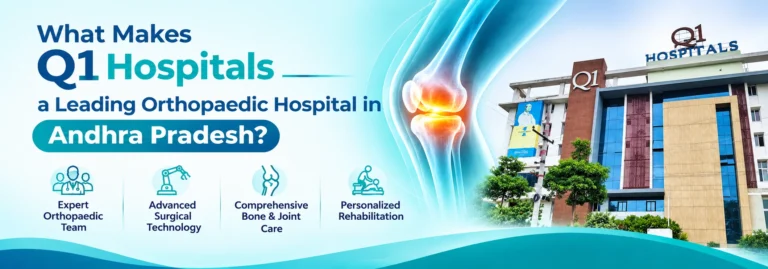
What Makes Q1 Hospitals a Leading Orthopaedic Hospital in Andhra Pradesh?
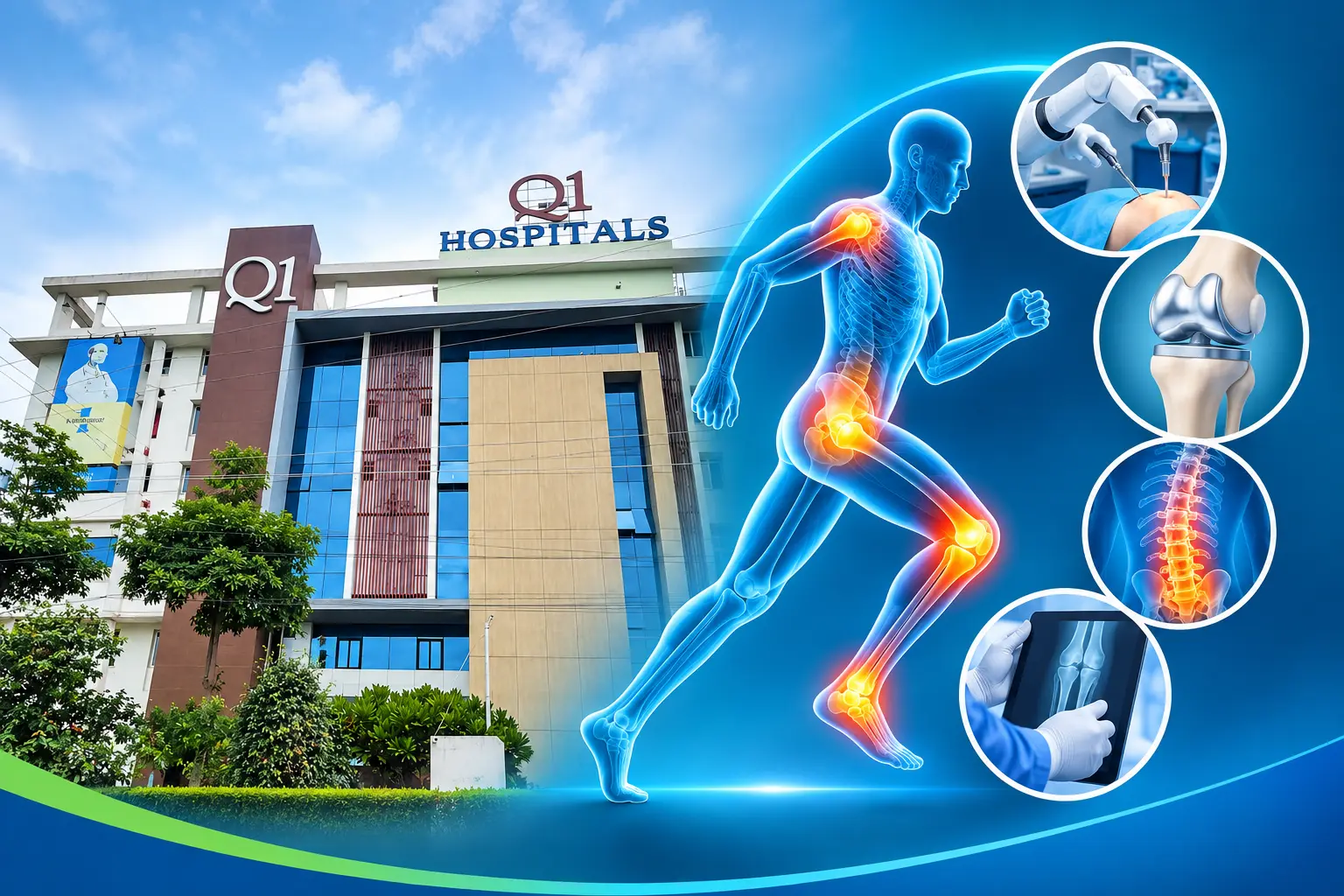
Bone and joint health plays an important role in maintaining mobility, independence and overall quality of life. Conditions such as knee arthritis, hip disorders, ligament injuries, fractures and chronic joint pain can make everyday activities increasingly difficult. Finding the right hospital for orthopaedic treatment is essential for receiving proper diagnosis, specialised medical attention and appropriate surgical care. For individuals searching for a leading orthopaedic hospital in Andhra Pradesh, Q1 Hospitals in Visakhapatnam offers orthopaedic services supported by experienced medical professionals and modern surgical infrastructure.
Orthopaedic treatment involves more than managing pain. It requires identifying the underlying condition, understanding the patient’s medical needs and selecting an appropriate treatment approach. Q1 Hospitals focuses on providing orthopaedic evaluation and treatment options for different bone, joint and musculoskeletal conditions, including joint replacement, arthroscopy, fractures and sports-related injuries.
Understanding the Importance of Choosing the Right Orthopaedic Hospital
Orthopaedic conditions can affect people of different age groups. Younger individuals may experience sports injuries, ligament tears and fractures, while older adults are more likely to develop degenerative joint conditions such as osteoarthritis.
The hospital selected for treatment plays an important role in the patient’s healthcare experience. A suitable orthopaedic hospital should provide access to qualified specialists, diagnostic facilities, surgical infrastructure and appropriate postoperative support.
Some important factors to consider when selecting an orthopaedic hospital include:
- Qualified orthopaedic doctors with relevant clinical experience.
- Facilities for joint replacement and arthroscopic procedures.
- Access to modern surgical technology.
- Diagnostic services for evaluating bone and joint conditions.
- Operation theatres designed for surgical requirements.
- Postoperative monitoring and rehabilitation support.
Q1 Hospitals brings together orthopaedic expertise and specialised infrastructure to support the evaluation and treatment of different musculoskeletal conditions.
Experienced Orthopaedic Care at Q1 Hospitals
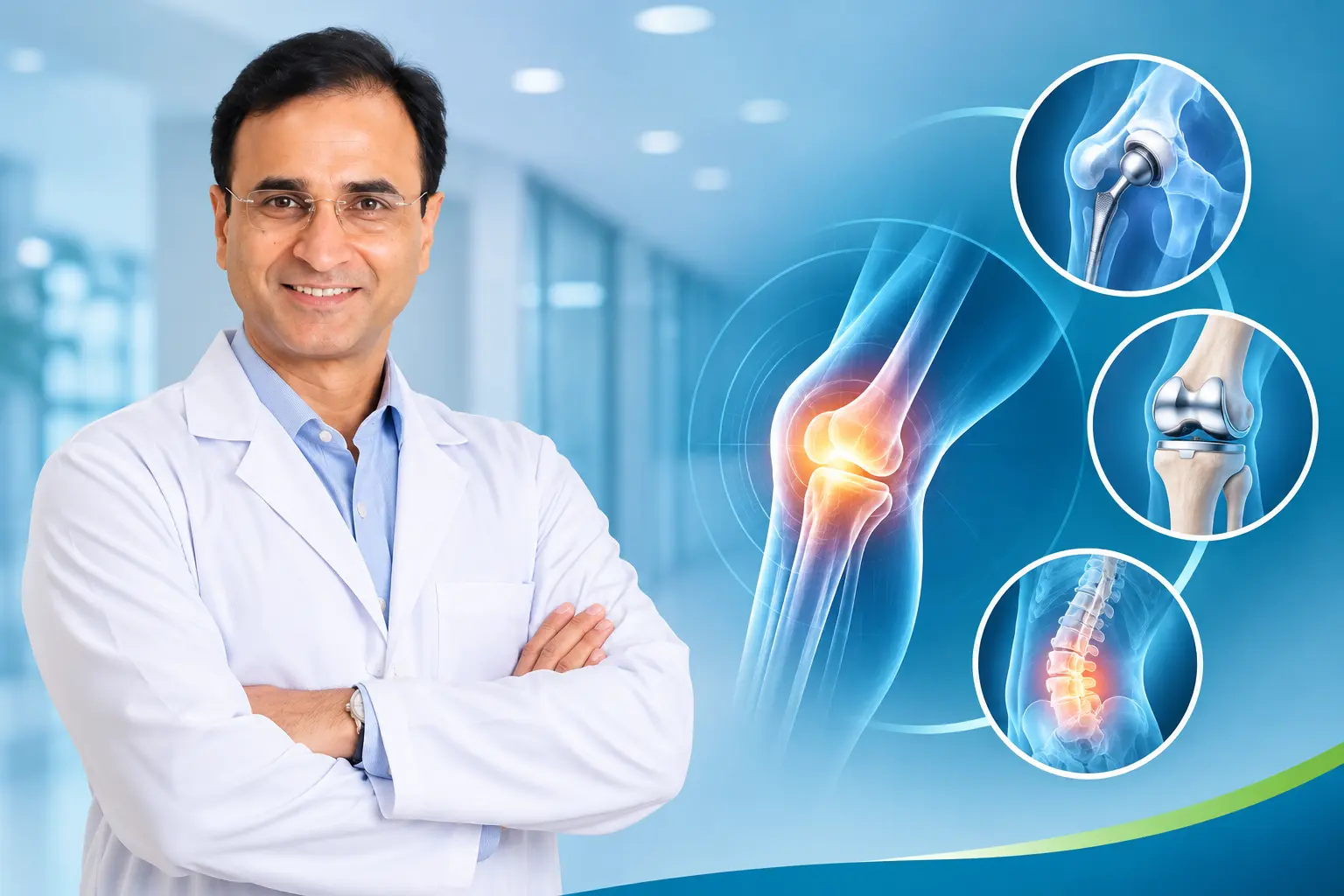
One of the important considerations in orthopaedic treatment is the experience and expertise of the treating specialist. Dr. Ramana Murthy T is associated with Q1 Hospitals and has professional qualifications in orthopaedics, along with specialised training in joint replacement and arthroscopic surgery.
He holds an MS in Orthopaedics from Nizam’s Institute of Medical Sciences (NIMS), Hyderabad, and has received specialised fellowship training in Germany.
His professional areas of focus include:
- Total knee replacement.
- Hip replacement surgery.
- Arthroscopic procedures.
- Ligament and sports injury management.
- Complex orthopaedic trauma.
- Treatment of degenerative bone and joint conditions.
The availability of specialised orthopaedic consultation helps patients understand their condition and explore appropriate treatment options based on their individual medical requirements.
Advanced Robotic Technology in Orthopaedic Surgery
Technology has become an important part of modern orthopaedic surgery. Robotic-assisted and computer-navigation systems can provide additional information to surgeons during selected procedures, particularly joint replacement surgeries.
Q1 Hospitals has advanced orthopaedic technologies, including ROSA by Zimmer Biomet, Navio by Smith+Nephew and Ortho Pilot systems.
These technologies support different aspects of surgical planning and execution.
ROSA Robotic-Assisted Technology
The ROSA system is designed to assist surgeons during selected knee replacement procedures. It provides information about the patient’s joint anatomy and helps with surgical planning and alignment assessment.
The technology supports the surgeon in making informed decisions during the procedure. The surgeon remains responsible for performing the surgery and determining the appropriate treatment approach.
Navio Surgical Technology
The Navio system is a robotic-assisted surgical platform developed for selected joint replacement procedures. It provides computer-assisted guidance to support the surgeon during specific stages of surgery.
Its use depends on the patient’s condition, surgical requirements and the surgeon’s assessment.
Ortho Pilot Computer Navigation
Computer-navigation technology can provide additional guidance during selected orthopaedic procedures. It helps surgeons assess alignment and positioning during surgery.
The use of these technologies depends on the procedure being performed and the patient’s individual requirements. Robotic-assisted surgery is not necessary for every patient, and the treating specialist determines the most appropriate approach.
Joint Replacement Surgery for Knee and Hip Problems
Joint replacement is an important treatment option for patients with advanced joint damage and persistent pain. Conditions such as osteoarthritis can gradually damage joint cartilage, resulting in stiffness, swelling and difficulty performing everyday activities.
At Q1 Hospitals, orthopaedic care includes knee and hip replacement procedures.
Knee Replacement Surgery
Knee replacement may be recommended for patients experiencing severe knee arthritis, significant cartilage damage or persistent pain that does not improve sufficiently with non-surgical treatment.
During the procedure, damaged joint surfaces are replaced with artificial components. The aim is to reduce pain and improve joint function.
Hip Replacement Surgery
Hip replacement is considered for patients with significant hip joint damage caused by conditions such as osteoarthritis, certain fractures and other degenerative disorders.
The procedure involves replacing damaged joint components with artificial implants to improve mobility and reduce discomfort.
Both procedures require proper preoperative evaluation, surgical planning and postoperative rehabilitation.
Arthroscopic Surgery for Joint and Sports Injuries
Arthroscopy is a minimally invasive surgical technique used to examine and treat certain joint problems. It involves inserting a small camera and specialised instruments through small incisions around the affected joint.
It is commonly used for selected conditions involving the knee, shoulder and other joints.
Some conditions that may require arthroscopic treatment include:
- ACL and other ligament injuries.
- Meniscus tears.
- Selected cartilage injuries.
- Shoulder joint problems.
- Certain conditions causing joint instability.
Compared with some traditional open procedures, arthroscopy may involve smaller incisions. However, recovery time and outcomes depend on the type of injury, procedure and individual patient factors.
At Q1 Hospitals, arthroscopic treatment forms part of the orthopaedic services available for patients with suitable joint conditions.
Orthopaedic Trauma and Fracture Management
Accidents, falls and sports injuries can cause fractures and damage to bones, joints and surrounding soft tissues. Some injuries may require immediate medical evaluation and specialised treatment.
Orthopaedic trauma management focuses on assessing the severity of an injury, stabilising the affected area and restoring bone alignment where necessary.
Depending on the type of fracture, treatment may involve:
- Casts or splints.
- Fracture reduction.
- Internal fixation using plates, screws or rods.
- Surgical stabilisation for complex fractures.
- Follow-up monitoring and rehabilitation.
The treatment approach depends on the location, severity and nature of the injury. Timely medical attention is important, especially when a patient experiences severe pain, visible deformity, significant swelling or an inability to bear weight after an injury.
Importance of Diagnosis and Rehabilitation
Successful orthopaedic care involves several stages, beginning with accurate diagnosis and continuing through treatment and recovery.
A specialist may recommend physical examination, X-rays, MRI scans, CT scans or other investigations depending on the suspected condition.
After diagnosis, treatment may involve medication, physiotherapy, activity modification, injections or surgery.
Rehabilitation is particularly important after joint replacement, fracture fixation and ligament reconstruction. A structured rehabilitation programme can help patients gradually improve strength, flexibility, balance and mobility.
Patients should follow their treating doctor’s instructions and avoid returning to strenuous activities before receiving medical clearance.
Why Consider Q1 Hospitals for Orthopaedic Treatment?
Choosing an orthopaedic hospital requires evaluating the medical team, available infrastructure and treatment capabilities.
Q1 Hospitals offers several facilities and services that support orthopaedic treatment, including:
- Specialised orthopaedic consultation.
- Knee and hip replacement procedures.
- Arthroscopic surgical facilities.
- Robotic-assisted and computer-navigation technologies.
- Modular laminar-flow operation theatres.
- Orthopaedic trauma and fracture management.
- Postoperative care and rehabilitation support.
These capabilities help support different aspects of orthopaedic treatment, from initial consultation to surgical care and recovery.
Patients should discuss their diagnosis, treatment alternatives, expected outcomes and potential risks with their orthopaedic specialist before making surgical decisions.
Conclusion
Choosing an appropriate orthopaedic hospital is an important step towards managing bone, joint and mobility-related problems. Patients looking for orthopaedic treatment in Andhra Pradesh should consider the qualifications of the medical team, availability of specialised surgical procedures, modern technology and postoperative care facilities.
Q1 Hospitals in Visakhapatnam offers orthopaedic services covering joint replacement, arthroscopy, trauma management and other musculoskeletal conditions. With Dr. Ramana Murthy T’s orthopaedic expertise and access to robotic-assisted and computer-navigation technologies, the hospital provides treatment options based on individual patient requirements.
For individuals experiencing persistent knee pain, hip problems, ligament injuries, fractures or other orthopaedic concerns, consulting a qualified specialist can help identify the condition and determine an appropriate treatment plan. Q1 Hospitals aims to support patients through professional medical evaluation, specialised orthopaedic care and recovery-focused treatment.
Book your appointment now
Related Blogs
Knee Joint Pain: Common Causes, Warning Signs and When to See an Orthopaedic Doctor Knee joint pain is one of the most common musculoskeletal complaints affecting people across different age
Robotic Knee Replacement Surgery in Vizag: Technology, Benefits and Recovery Knee pain is one of the most common orthopaedic problems affecting people across different age groups. Conditions such as osteoarthritis,
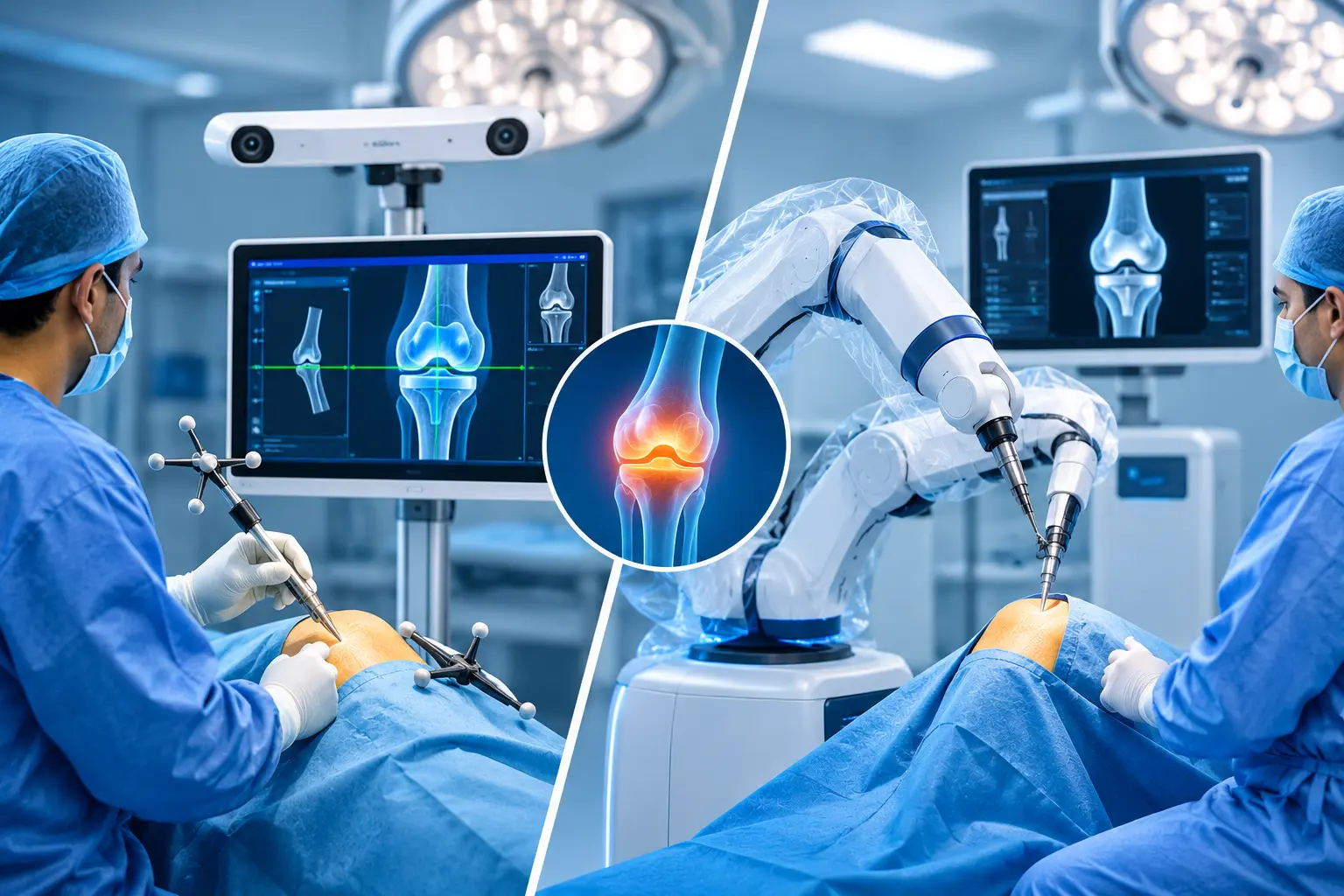
Computer-Navigated vs Robotic Orthopaedic Surgery: Understanding the Differences Advancements in medical technology have significantly changed the way orthopaedic surgeries are planned and performed. Procedures involving joint replacement, bone alignment and

Early Warning Signs of a Brain Stroke: Symptoms You Should Never Ignore A brain stroke is a serious medical emergency that occurs when the blood supply to a part of
What Makes Q1 Hospitals a Leading Orthopaedic Hospital in Andhra Pradesh? Bone and joint health plays an important role in maintaining mobility, independence and overall quality of life. Conditions such
Who Is the Best Orthopaedic Doctor in Vizag? Meet Dr. Ramana Murthy T Orthopaedic health plays an important role in maintaining an active and comfortable lifestyle. From knee and hip