

Robotic Knee Replacement Surgery in Vizag: Technology, Benefits and Recovery
Knee pain is one of the most common orthopaedic problems affecting people across different age groups. Conditions such as osteoarthritis, cartilage damage, previous injuries and age-related joint degeneration can gradually affect knee movement and make everyday activities difficult. When medication, physiotherapy and other non-surgical treatments no longer provide sufficient relief, knee replacement surgery may become a suitable treatment option. With advancements in medical technology, robotic-assisted knee replacement has become an important development in modern orthopaedic care.
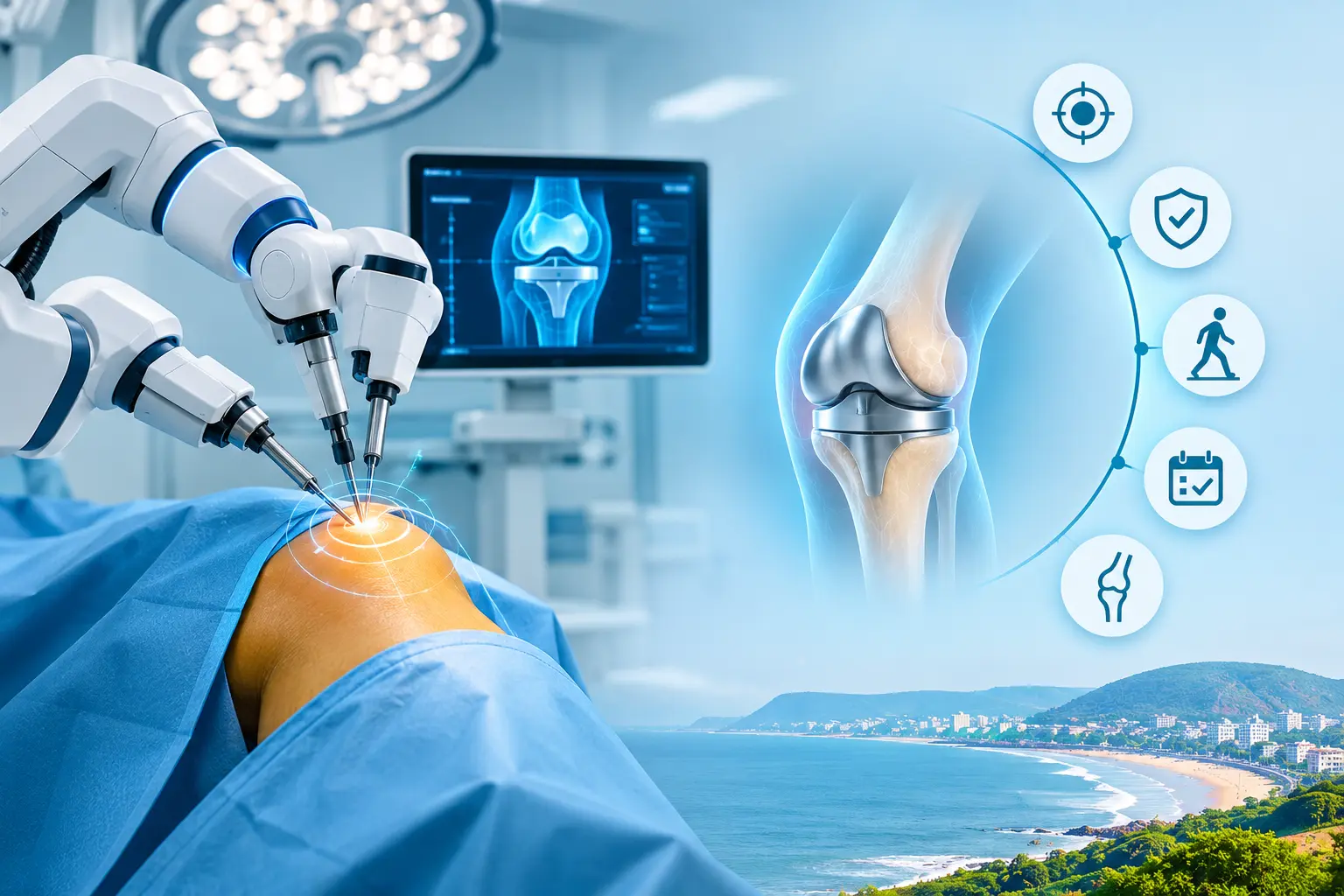
For patients searching for robotic knee replacement surgery in Vizag, Q1 Hospitals offers access to advanced orthopaedic technology and specialised surgical care. Its robotic-assisted and computer-navigation systems, including ROSA by Zimmer Biomet and Navio by Smith+Nephew, support surgeons during selected joint replacement procedures.
What Is Robotic Knee Replacement Surgery?
Robotic-assisted knee replacement is a surgical procedure in which specialised technology assists the orthopaedic surgeon with preoperative planning and specific stages of the operation.
During traditional knee replacement surgery, the surgeon uses established surgical techniques and instruments to remove damaged joint surfaces and position artificial components. Robotic-assisted systems provide additional information about the patient’s knee anatomy and help guide certain surgical steps.
The technology may support:
- Individualised surgical planning.
- Assessment of knee alignment.
- Evaluation of joint movement and balance.
- Guidance during selected bone preparation steps.
- Accurate execution of the planned surgical approach.
It is important to understand that robotic technology does not independently perform the operation. The orthopaedic surgeon controls the procedure, makes clinical decisions and remains responsible for the patient’s treatment.
Why Do Patients Need Knee Replacement Surgery?
The knee joint contains bones, cartilage, ligaments and other supporting structures that work together to provide stability and movement. When the protective cartilage becomes damaged, the bones may experience increased friction, leading to pain, stiffness and restricted mobility.
Osteoarthritis is one of the common reasons patients require knee replacement surgery. It gradually affects joint cartilage and can cause symptoms that interfere with daily activities.
Some common signs that may indicate advanced knee joint damage include:
- Persistent knee pain while walking or standing.
- Difficulty climbing stairs.
- Stiffness after sitting or resting.
- Swelling around the knee joint.
- Reduced knee movement.
- Difficulty performing everyday activities.
- Pain that continues despite appropriate non-surgical treatment.
Not everyone experiencing knee pain requires surgery. An orthopaedic specialist evaluates the condition through physical examination, medical history and imaging investigations before recommending knee replacement.
Robotic Knee Replacement Technology at Q1 Hospitals
Q1 Hospitals provides access to specialised orthopaedic technologies that support selected joint replacement procedures.
ROSA Robotic-Assisted System
ROSA, developed by Zimmer Biomet, is a robotic-assisted surgical technology used in selected knee replacement procedures.
The system provides information that helps the surgeon assess knee anatomy, alignment and joint balance. It can assist with surgical planning and provide guidance during specific stages of the procedure.
Its role is to support the surgeon’s decision-making and surgical technique rather than replace the surgeon’s expertise.
Navio Robotic-Assisted Technology
Navio, developed by Smith+Nephew, is a robotic-assisted surgical platform designed for selected joint replacement procedures.
It uses computer-assisted planning and guidance to help surgeons assess joint anatomy and perform specific surgical steps.
The suitability of Navio depends on the type of joint replacement, patient condition and clinical requirements.
Ortho Pilot Computer Navigation
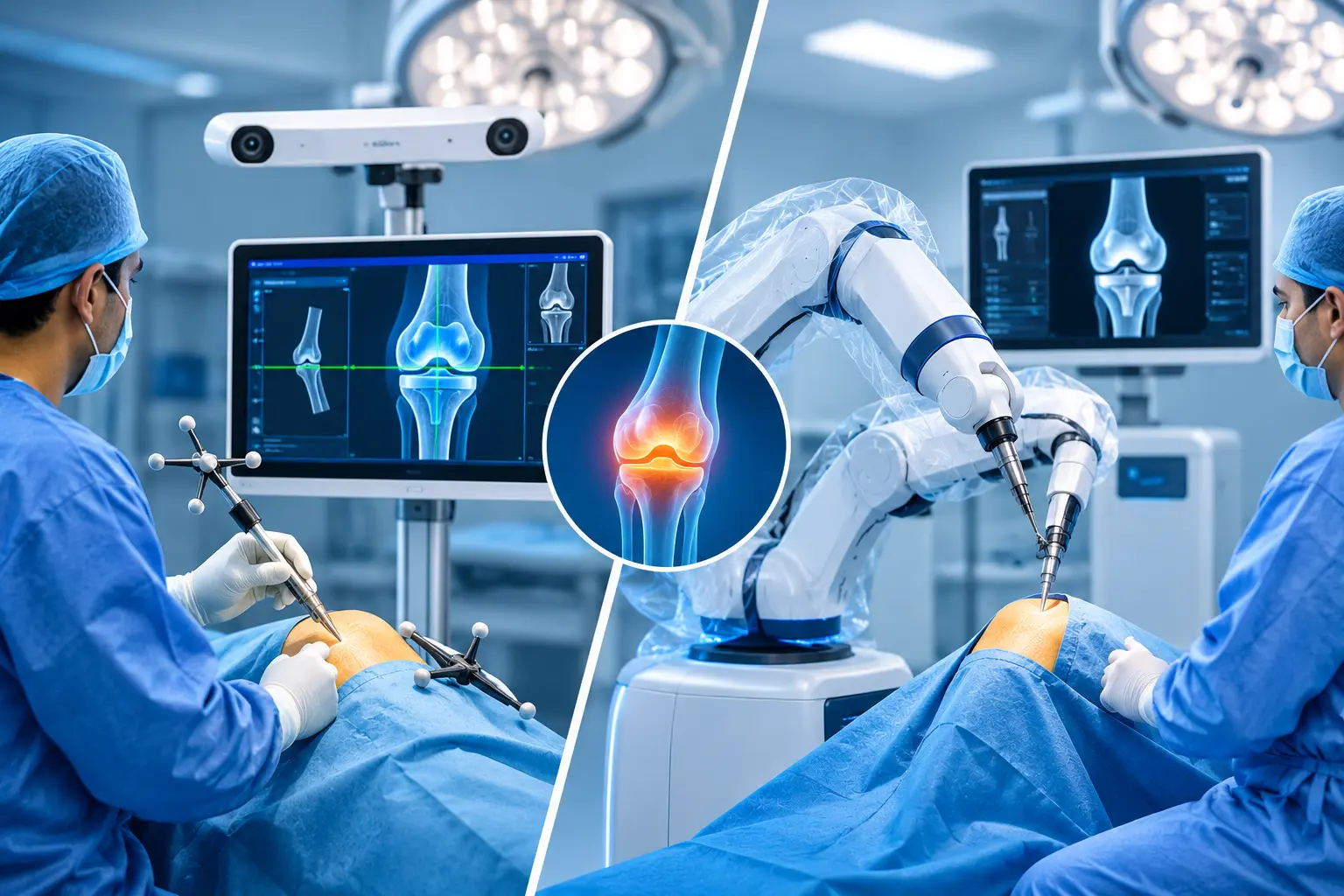
Ortho Pilot is a computer-navigation technology used in orthopaedic surgery. It provides additional guidance for assessing alignment and positioning during selected procedures.
Computer-navigation systems can support surgical accuracy by providing information during the operation.
The surgeon decides which technology is appropriate based on the patient’s medical condition and the procedure being planned.
Benefits of Robotic-Assisted Knee Replacement
Robotic-assisted technology offers several potential advantages when used appropriately by experienced orthopaedic surgeons.
- Personalised Surgical Planning
Every patient’s knee anatomy is different. Robotic-assisted systems can provide information that supports planning according to individual joint structure and surgical requirements.
- Improved Surgical Guidance
The technology provides additional guidance during selected surgical steps, helping the surgeon assess alignment and component positioning.
- Assessment of Joint Balance
Maintaining appropriate soft-tissue balance is an important part of knee replacement. Certain robotic-assisted systems provide information that helps surgeons assess joint balance during surgery.
- Technology-Assisted Precision
Robotic-assisted systems can help surgeons follow the planned surgical approach and assess bone preparation and implant positioning.
- Support for Surgical Decision-Making
Advanced technology provides additional anatomical information, allowing surgeons to make informed decisions during selected stages of the operation.
However, robotic-assisted surgery does not guarantee a complication-free procedure or superior results for every patient. Outcomes depend on several factors, including the patient’s health, surgical expertise, implant selection and rehabilitation.
Who Is Suitable for Robotic Knee Replacement?
Robotic-assisted knee replacement may be considered for patients with advanced knee joint damage who require joint replacement surgery.
Some conditions that may lead to this recommendation include:
- Advanced knee osteoarthritis.
- Severe cartilage damage.
- Chronic knee pain affecting mobility.
- Joint deformity associated with arthritis.
- Certain cases of post-traumatic arthritis.
- Persistent symptoms despite appropriate conservative treatment.
Before recommending surgery, the orthopaedic specialist evaluates the patient’s symptoms, X-rays, joint condition, activity level and overall health.
Patients with mild knee pain or early-stage arthritis may benefit from medication, physiotherapy, weight management and other non-surgical treatments instead.
How Is Robotic Knee Replacement Surgery Performed?
Robotic-assisted knee replacement generally involves several stages. The exact process varies depending on the technology used and the patient’s condition.
Step 1: Patient Evaluation
The surgeon examines the knee, reviews the patient’s medical history and evaluates imaging reports to understand the extent of joint damage.
Step 2: Surgical Planning
The surgical team uses the selected technology and available anatomical information to plan the procedure according to the patient’s requirements.
Step 3: Preparation of the Knee Joint
During surgery, the surgeon removes the damaged portions of the joint using the planned surgical technique. The robotic-assisted system may provide guidance during selected steps.
Step 4: Implant Positioning
Artificial knee components are positioned to restore joint function and appropriate alignment. The surgeon evaluates their placement and stability.
Step 5: Postoperative Monitoring
After the procedure, the patient is monitored by the medical team. Pain management, movement exercises and rehabilitation are introduced according to the recovery plan.
Recovery After Robotic Knee Replacement
Recovery is an important part of knee replacement treatment. Although robotic-assisted technology may support surgical planning and execution, it does not eliminate the need for rehabilitation.
The recovery period differs from patient to patient depending on age, general health, muscle strength, surgical complexity and other medical factors.
Some important aspects of recovery include:
- Following the surgeon’s medication and wound-care instructions.
- Beginning movement exercises when medically advised.
- Working with a physiotherapist.
- Gradually improving knee flexibility and strength.
- Using walking support when recommended.
- Attending scheduled follow-up appointments.
- Avoiding excessive physical activity during the initial recovery period.
Physiotherapy helps patients gradually regain mobility and improve muscle strength around the knee. Following the recommended rehabilitation programme is essential for achieving the best possible functional outcome.
Why Consider Q1 Hospitals for Robotic Knee Replacement in Vizag?
Selecting a hospital for knee replacement surgery involves evaluating the orthopaedic specialist’s experience, available surgical technology and postoperative care facilities.
Q1 Hospitals in Visakhapatnam provides orthopaedic services supported by specialised surgical infrastructure and modern technology.
Its orthopaedic treatment capabilities include:
- Knee and hip replacement procedures.
- Robotic-assisted surgical technology.
- Computer-navigation systems.
- Arthroscopic procedures.
- Orthopaedic trauma management.
- Modular laminar-flow operation theatres.
- Postoperative care and rehabilitation support.
Dr. Ramana Murthy T is associated with Q1 Hospitals and has qualifications in orthopaedics, along with specialised training in joint replacement and arthroscopic procedures.
Patients can consult the orthopaedic specialist to understand whether robotic-assisted knee replacement is appropriate for their condition or whether another treatment approach would be more suitable.
Conclusion
Blood in urine is an important symptom that should never be ignored. It can occur due
Robotic-assisted knee replacement represents an important development in modern orthopaedic surgery. By providing additional information for surgical planning, alignment assessment and selected operative steps, these technologies can support surgeons in treating patients with advanced knee joint damage.
For individuals searching for robotic knee replacement surgery in Vizag, Q1 Hospitals offers access to technologies such as ROSA by Zimmer Biomet, Navio by Smith+Nephew and Ortho Pilot computer navigation.
With specialised orthopaedic care, modern surgical infrastructure and rehabilitation support, Q1 Hospitals aims to provide treatment options based on individual patient needs. Consulting an experienced orthopaedic specialist is the right first step towards understanding knee problems and deciding whether robotic-assisted joint replacement is an appropriate treatment option.
to urinary tract infections, kidney stones, kidney diseases, injuries, or other serious urinary conditions.
Early medical evaluation through urine tests, blood investigations, and imaging helps identify the underlying cause and supports timely treatment.
Whether the blood is visible or detected only through a urine test, seeking medical advice is important. Recognising the symptoms early and receiving appropriate care can help protect kidney and urinary health.
Book your appointment now
Related Blogs

Knee Joint Pain: Common Causes, Warning Signs and When to See an Orthopaedic Doctor Knee joint pain is one of the most common musculoskeletal complaints affecting people across different age
Robotic Knee Replacement Surgery in Vizag: Technology, Benefits and Recovery Knee pain is one of the most common orthopaedic problems affecting people across different age groups. Conditions such as osteoarthritis,
Computer-Navigated vs Robotic Orthopaedic Surgery: Understanding the Differences Advancements in medical technology have significantly changed the way orthopaedic surgeries are planned and performed. Procedures involving joint replacement, bone alignment and

Early Warning Signs of a Brain Stroke: Symptoms You Should Never Ignore A brain stroke is a serious medical emergency that occurs when the blood supply to a part of

What Makes Q1 Hospitals a Leading Orthopaedic Hospital in Andhra Pradesh? Bone and joint health plays an important role in maintaining mobility, independence and overall quality of life. Conditions such

Who Is the Best Orthopaedic Doctor in Vizag? Meet Dr. Ramana Murthy T Orthopaedic health plays an important role in maintaining an active and comfortable lifestyle. From knee and hip