
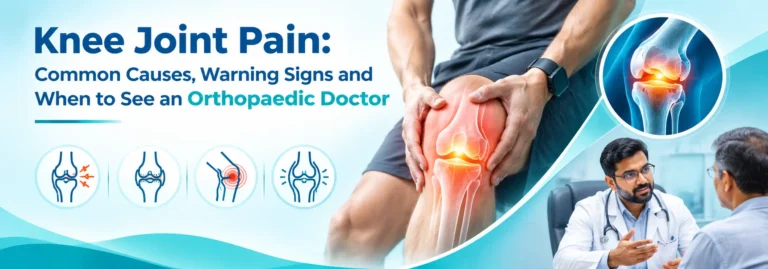
Knee Joint Pain: Common Causes, Warning Signs and When to See an Orthopaedic Doctor
Knee joint pain is one of the most common musculoskeletal complaints affecting people across different age groups. It can develop gradually due to ageing and joint degeneration or suddenly following an accident, sports injury or unexpected movement. Whether it occurs while walking, climbing stairs, sitting or standing, persistent knee pain can interfere with daily activities and reduce overall mobility.
Understanding the causes of knee joint pain is important for identifying the right treatment. For individuals looking for knee pain treatment in Vizag, consulting an experienced orthopaedic specialist at Q1 Hospitals can help determine the underlying condition and suitable treatment options.
Understanding the Knee Joint
The knee is a complex joint that connects the thigh bone, shin bone and kneecap. It contains cartilage, ligaments, tendons and other supporting structures that help maintain stability and smooth movement.
The cartilage acts as a protective surface between the bones and reduces friction during movement. Ligaments support joint stability, while muscles and tendons help control movement.
Damage or inflammation involving any of these structures can cause knee pain, swelling, stiffness and difficulty walking.
Common Causes of Knee Joint Pain
Knee pain can develop due to several medical conditions and physical injuries.
- Osteoarthritis
Osteoarthritis is a degenerative joint condition in which the protective cartilage gradually wears down. It commonly affects older adults and may cause pain, stiffness and reduced movement.
- Ligament Injuries
Ligaments connect bones and provide stability to the knee. Injuries involving the ACL, PCL or other supporting ligaments can cause pain, swelling and instability.
- Meniscus Tears
The meniscus is a cartilage structure that helps absorb shock within the knee joint. A tear may occur due to sports injuries, sudden twisting movements or age-related degeneration.
- Tendinitis
Inflammation or irritation of the tendons around the knee can cause pain, particularly during physical activity.
- Bursitis
Bursae are small fluid-filled sacs that reduce friction around joints. Inflammation of these structures can cause swelling and discomfort.
- Previous Injuries
Old fractures, ligament injuries and cartilage damage may contribute to recurring knee pain and reduced joint function.
Warning Signs That Should Not Be Ignored
Knee pain may be mild initially, but certain symptoms require medical attention.
Some common warning signs include:
- Persistent pain that does not improve.
- Swelling around the knee joint.
- Difficulty bending or straightening the knee.
- Pain while climbing stairs.
- A feeling that the knee may give way.
- Clicking or locking accompanied by pain.
- Difficulty standing or walking.
A hot, red, swollen knee accompanied by fever requires prompt medical assessment. Sudden severe pain, deformity or inability to bear weight after an injury also requires urgent evaluation.
How Is Knee Joint Pain Diagnosed?
An orthopaedic doctor evaluates the patient’s symptoms, medical history and physical condition to identify the cause of knee pain.
The assessment may include:
Physical Examination: The doctor checks joint movement, swelling, tenderness, stability and muscle strength.
X-Ray: X-rays help identify certain bone abnormalities, fractures and signs of joint degeneration.
MRI Scan: MRI may be recommended to examine soft tissues such as ligaments, cartilage and menisci.
Other Investigations: Additional tests may be required depending on the suspected condition.
The choice of investigation depends on the patient’s symptoms and clinical findings.
Treatment Options for Knee Joint Pain
Treatment depends on the underlying cause, severity of symptoms and overall health of the patient.
Non-Surgical Treatment
Many knee conditions can initially be managed without surgery.
- Medication prescribed by a doctor.
- Physiotherapy and strengthening exercises.
- Activity modification.
- Weight management where appropriate.
- Supportive devices when recommended.
- Selected injections based on medical evaluation.
Patients should avoid self-medicating or continuing activities that significantly increase their pain.
Arthroscopic Treatment
Arthroscopy is a minimally invasive procedure used for selected knee conditions. A small camera and specialised instruments are inserted through small incisions to examine and treat certain joint problems.
It may be considered for specific meniscus, ligament or cartilage injuries, depending on the patient’s condition.
Knee Replacement Surgery
For patients with advanced osteoarthritis and severe joint damage, knee replacement may be considered when non-surgical treatment no longer provides adequate relief.
The procedure involves replacing damaged joint surfaces with artificial components to improve joint function and reduce pain.
Role of Robotic Technology in Knee Replacement
Robotic-assisted technology has introduced additional support for selected knee replacement procedures.
Q1 Hospitals has orthopaedic systems including ROSA by Zimmer Biomet, Navio by Smith+Nephew and Ortho Pilot computer-navigation technology.
These systems help surgeons with selected aspects of surgical planning, alignment assessment and procedural guidance.
The technology does not replace the surgeon’s expertise. The orthopaedic specialist determines whether robotic assistance is appropriate for the individual patient.
Why Choose Q1 Hospitals for Knee Pain Evaluation in Vizag?
Q1 Hospitals provides orthopaedic consultation and treatment options for different bone and joint conditions. Its services include joint replacement, arthroscopy and orthopaedic trauma management.
Dr. Ramana Murthy T is associated with the hospital and has expertise in joint replacement and arthroscopic procedures.
Patients with persistent knee pain can undergo specialist evaluation to understand whether their condition requires medication, physiotherapy, minimally invasive treatment or surgery.
Conclusion
Knee joint pain can develop due to arthritis, ligament injuries, cartilage damage and several other conditions. Identifying the underlying cause is essential for choosing the right treatment and preventing unnecessary complications.
People experiencing persistent pain, swelling, stiffness or difficulty walking should seek an orthopaedic evaluation rather than ignoring their symptoms. Q1 Hospitals in Vizag offers orthopaedic consultation, arthroscopic procedures and joint replacement services supported by modern surgical technology. Early medical assessment and an appropriate treatment plan can help patients manage knee problems and maintain better mobility.
Book your appointment now
Related Blogs
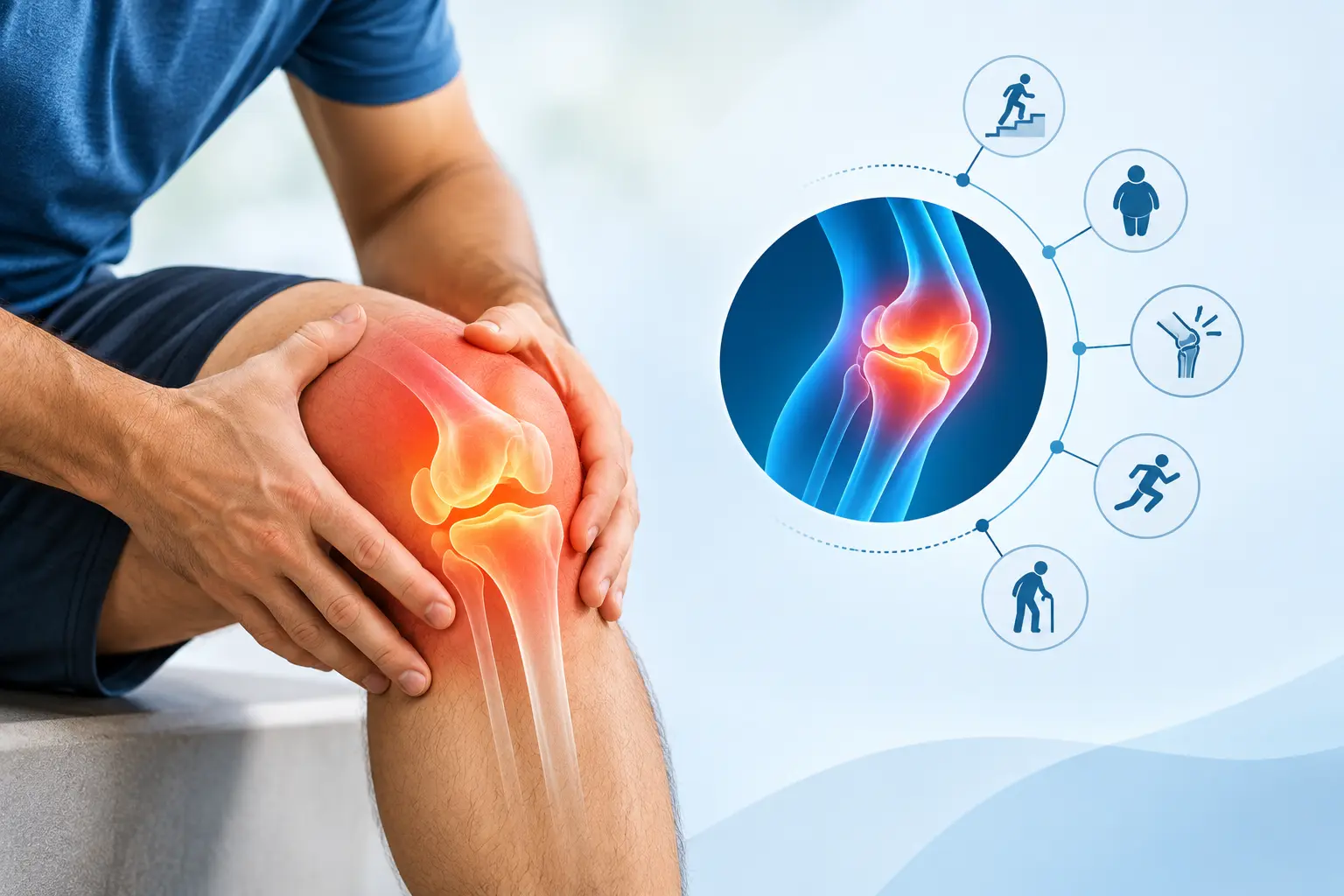
Knee Joint Pain: Common Causes, Warning Signs and When to See an Orthopaedic Doctor Knee joint pain is one of the most common musculoskeletal complaints affecting people across different age
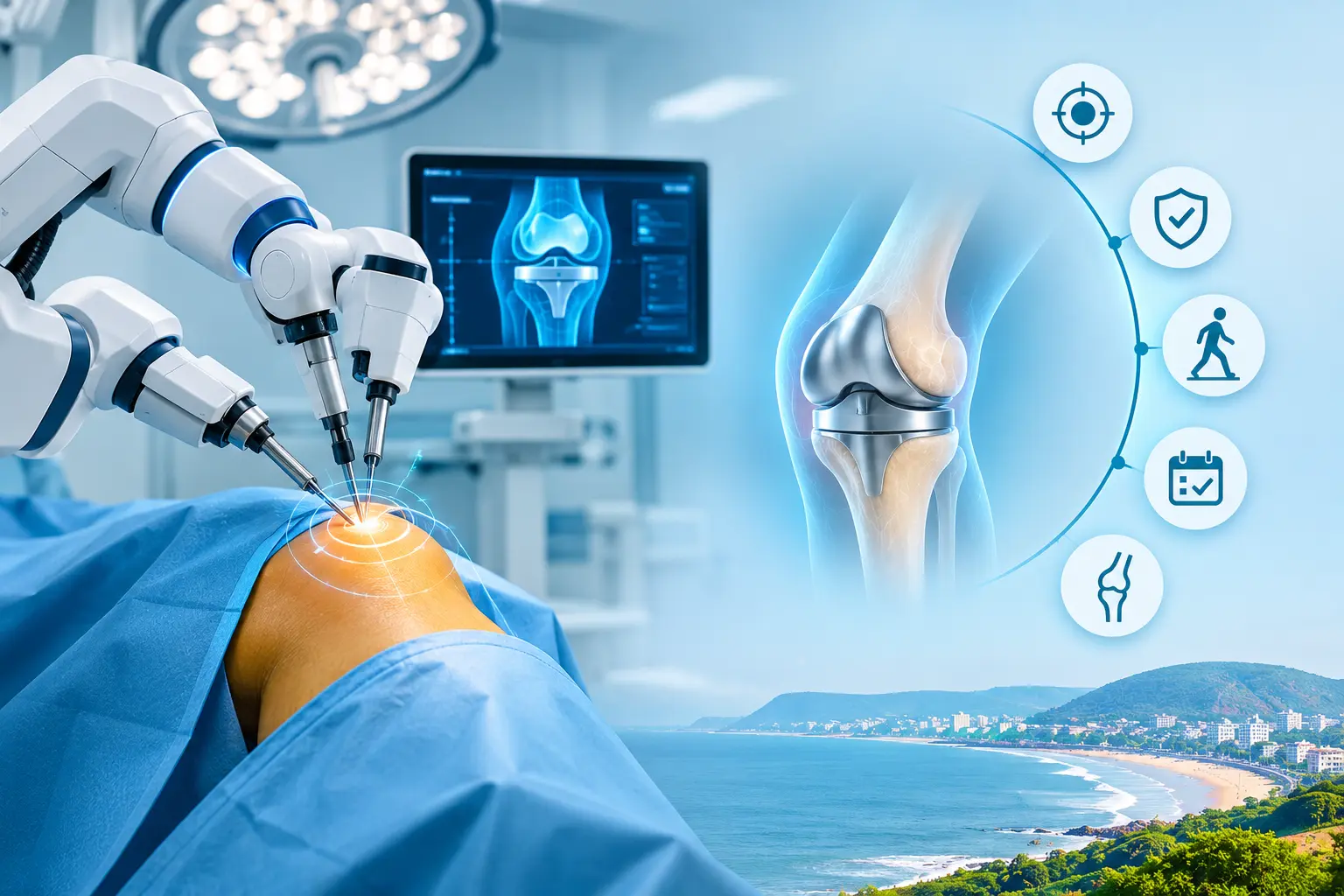
Robotic Knee Replacement Surgery in Vizag: Technology, Benefits and Recovery Knee pain is one of the most common orthopaedic problems affecting people across different age groups. Conditions such as osteoarthritis,
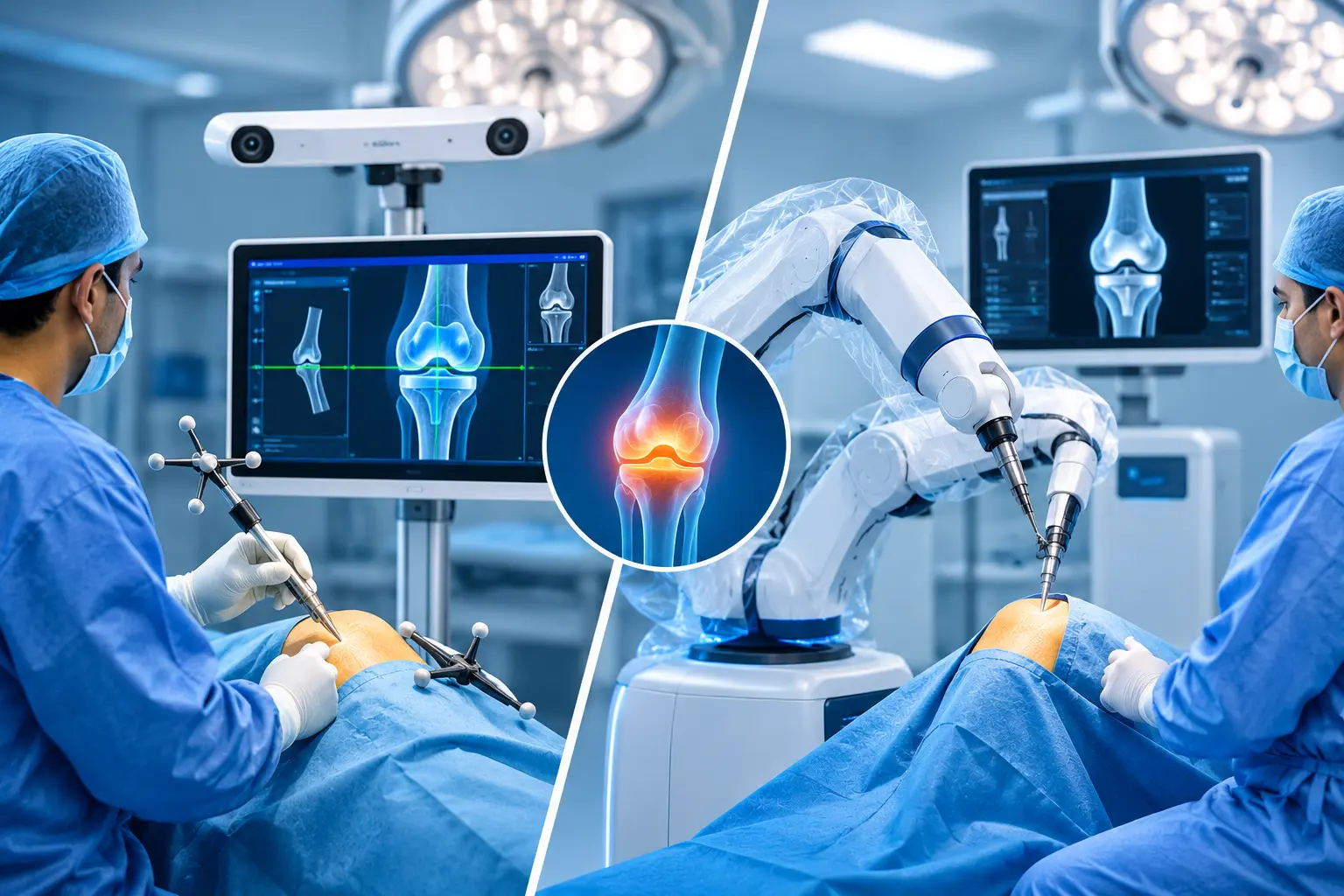
Computer-Navigated vs Robotic Orthopaedic Surgery: Understanding the Differences Advancements in medical technology have significantly changed the way orthopaedic surgeries are planned and performed. Procedures involving joint replacement, bone alignment and

Early Warning Signs of a Brain Stroke: Symptoms You Should Never Ignore A brain stroke is a serious medical emergency that occurs when the blood supply to a part of
What Makes Q1 Hospitals a Leading Orthopaedic Hospital in Andhra Pradesh? Bone and joint health plays an important role in maintaining mobility, independence and overall quality of life. Conditions such
Who Is the Best Orthopaedic Doctor in Vizag? Meet Dr. Ramana Murthy T Orthopaedic health plays an important role in maintaining an active and comfortable lifestyle. From knee and hip