
Advanced Spine Surgery for Back and Spinal Conditions
Advanced Spine Surgery for Back and Spinal Conditions
Back and neck problems are extremely common and can range from temporary muscle strain to complex conditions involving the spine, discs, nerves or spinal cord. While many spinal conditions improve with medicines, physiotherapy, exercise and lifestyle changes, some patients continue to experience severe pain, weakness, numbness or difficulty performing everyday activities.
Spine surgery may be recommended when a spinal condition causes significant symptoms and non-surgical treatment has not provided adequate improvement. Depending on the diagnosis, surgery may relieve pressure on nerves, stabilize the spine, correct structural problems or treat damage caused by injury and disease.
For patients searching for spine surgery in Vizag, choosing an experienced orthopedic or spine specialist and a hospital with appropriate diagnostic, surgical, anesthesia and rehabilitation support is important. Q1 Hospitals provides orthopedic and surgical care in Visakhapatnam, including treatment for spinal conditions based on individual patient requirements.
What Is Spine Surgery?
- Spine surgery refers to surgical procedures performed to treat problems affecting the vertebrae, intervertebral discs, spinal nerves and other structures of the spine.
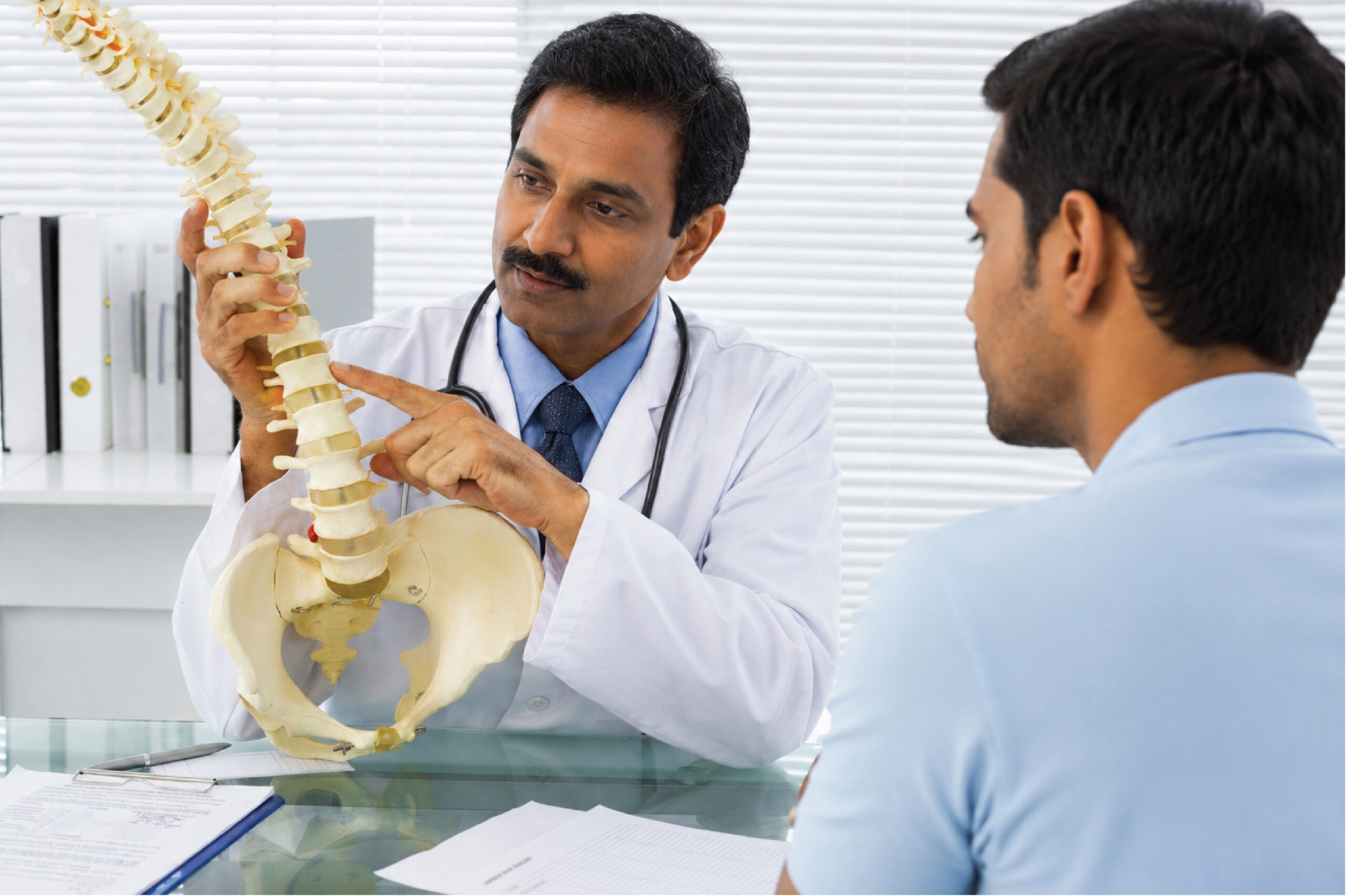
- The spine is a complex structure consisting of multiple vertebrae separated by discs. It supports the body, enables movement and protects the spinal cord. Nerves branch from the spinal cord through openings between the vertebrae and travel to different parts of the body.
- When discs, bones, joints or other structures become damaged or abnormal, they can sometimes put pressure on nerves. This may cause symptoms such as back pain, neck pain, numbness, tingling or weakness.
- Spine surgery is not a single procedure. The type of surgery depends entirely on the underlying condition.
When Is Spine Surgery Needed?
Not everyone with back or neck pain needs surgery. In fact, many common spinal problems can be managed without an operation.
A spine specialist may consider surgery when:
- Pain is severe or persistent
- Symptoms significantly affect daily activities
- Nerve compression causes weakness or neurological symptoms
- Conservative treatment has failed
- There is significant spinal instability
- A serious spinal injury has occurred
- A structural abnormality requires surgical correction
- There is progressive neurological deterioration
- Certain spinal conditions require urgent intervention
The decision should be based on a proper diagnosis rather than pain alone.
Common Conditions That May Require Spine Surgery
Herniated Disc
- Between the vertebrae are flexible structures called intervertebral discs. These discs provide cushioning and help the spine move.
- A disc can sometimes bulge or herniate and place pressure on nearby nerves. This may cause back or neck pain along with symptoms that travel into the leg or arm.
- Depending on the severity and response to conservative treatment, surgery may be considered for selected patients.
Spinal Stenosis
Spinal stenosis occurs when the spaces within the spine become narrowed, potentially putting pressure on the spinal cord or nerves.
Symptoms can include:
- Back pain
- Leg pain
- Numbness
- Tingling
- Weakness
- Difficulty walking
Treatment depends on the location and severity of the narrowing.
Spondylolisthesis
- Spondylolisthesis occurs when one vertebra moves out of its normal position relative to another vertebra. It can cause back pain and, in some cases, nerve-related symptoms.
- Mild cases may respond to conservative treatment, while severe or persistent cases may require surgical evaluation.
Spinal Fractures
- Fractures of the spine can occur because of road accidents, falls, sports injuries or weakened bones.
- Some spinal fractures can be managed without surgery, while unstable or complicated fractures may require surgical stabilization.
Degenerative Disc Disease
- As people age, spinal discs can gradually undergo structural changes. In some individuals, this may contribute to chronic pain and reduced spinal function.
- Treatment is usually individualized. Surgery may be considered only when symptoms are significant and appropriate non-surgical options have not provided sufficient relief.
Spinal Deformities
- Certain spinal deformities can affect posture, movement and overall spinal function. Depending on the condition and severity, surgical correction may be considered.
Symptoms That Should Not Be Ignored
Back pain is common, but certain symptoms require medical evaluation.
Consult a spine specialist if you experience:
- Persistent back or neck pain
- Pain spreading into the arms or legs
- Numbness or tingling
- Muscle weakness
- Difficulty walking
- Loss of balance
- Persistent stiffness
- Pain that interferes with sleep
- Symptoms that continue despite treatment
- Recurrent spinal problems
Some symptoms require urgent medical attention, particularly sudden or progressive weakness, loss of bladder or bowel control, severe numbness or significant spinal trauma.
Diagnosis Before Spine Surgery
Before recommending surgery, the doctor needs to understand the exact cause of the symptoms.
Medical History
The specialist may ask about:
- Duration of symptoms
- Location of pain
- Previous injuries
- Previous treatments
- Medical conditions
- Medication use
- Changes in strength or sensation
Physical Examination : The doctor may assess spinal movement, muscle strength, reflexes, sensation, balance and walking ability.
X-Ray : X-rays can help evaluate the alignment and structure of the spine and identify certain bone abnormalities.
MRI : MRI provides detailed images of soft tissues and can help identify disc problems, nerve compression and other spinal abnormalities.
CT Scan : CT scans can provide detailed information about bones and may be particularly useful for evaluating certain fractures and complex structural abnormalities.
- The exact investigations depend on the patient’s symptoms and suspected diagnosis.
Common Types of Spine Surgery
Different spinal conditions require different surgical approaches.
Discectomy
- A discectomy involves removing part or all of a damaged disc that is compressing a nerve.
- It may be considered in selected patients with a herniated disc and persistent nerve-related symptoms.
Laminectomy
- A laminectomy involves removing part of the vertebral bone called the lamina to create more space around the spinal cord or nerves.
- It may be used for certain cases of spinal stenosis.
Spinal Fusion
- Spinal fusion involves joining two or more vertebrae to provide stability.
- It may be considered for certain conditions involving instability, deformity, fractures or severe degenerative changes.
Decompression Surgery
- Spinal decompression procedures aim to relieve pressure on the spinal cord or nerves.
- The specific technique depends on where the compression occurs and what is causing it.
Minimally Invasive Spine Surgery
- Certain spinal procedures can be performed using minimally invasive techniques through smaller incisions.
- These techniques may reduce disruption to surrounding tissues in appropriately selected cases. However, minimally invasive surgery is not suitable for every spinal condition.
Benefits of Spine Surgery
For appropriately selected patients, spine surgery may provide several potential benefits.
Relief From Nerve Compression : When a nerve is compressed by a disc, bone or other structure, surgery may relieve that pressure.
Reduction in Pain : Depending on the cause of pain, surgery may reduce persistent back, neck, arm or leg pain.
Improved Mobility : Reducing pain and addressing structural problems may help some patients move more comfortably.
Improved Quality of Life : Persistent spinal symptoms can affect work, sleep, exercise and daily activities. Successful treatment may help patients regain greater independence.
Prevention of Further Neurological Problems : In certain conditions involving progressive nerve or spinal cord compression, timely surgery may help prevent further neurological deterioration.
- However, outcomes vary from patient to patient. Surgery should never be presented as a guaranteed cure for every type of back pain.
Is Spine Surgery Safe?
Spine surgery is performed routinely for many conditions, but it is still a major medical procedure and carries potential risks.
Depending on the procedure, possible complications may include:
- Infection
- Bleeding
- Blood clots
- Nerve injury
- Spinal fluid leakage
- Persistent pain
- Blood vessel injury
- Implant-related complications
- Failure of fusion where fusion is performed
- Need for additional surgery
Individual risks depend on the patient’s condition, age, general health and type of surgery.
Before surgery, your specialist should explain the expected benefits, risks and alternatives.
Preparing for Spine Surgery
Proper preparation can support a smoother surgical experience.
Your healthcare team may recommend:
- Completing blood tests and imaging
- Reviewing current medications
- Managing existing medical conditions
- Following fasting instructions
- Stopping smoking where advised
- Maintaining appropriate nutrition
- Performing recommended preoperative exercises
- Arranging assistance at home
- Planning transportation after discharge
Patients should follow their surgeon’s instructions carefully and should not discontinue medications without medical advice.
Recovery After Spine Surgery
Recovery varies significantly depending on the type of procedure.
A patient undergoing a relatively straightforward procedure may recover differently from someone who requires spinal fusion or complex reconstruction.
Recovery may include:
- Pain management
- Wound care
- Gradual movement
- Physiotherapy
- Walking exercises
- Strengthening exercises
- Posture training
- Follow-up appointments
The surgeon will provide specific instructions regarding activity restrictions and rehabilitation.
Importance of Physiotherapy After Spine Surgery
Rehabilitation can play an important role in recovery.
Physiotherapy may help patients improve:
- Muscle strength
- Flexibility
- Posture
- Balance
- Mobility
- Core stability
- Functional movement
Patients should not begin strenuous exercises independently after spinal surgery. The rehabilitation program should be based on the surgical procedure and the surgeon’s recommendations.
How Long Does It Take to Recover?
There is no standard recovery period for all spine surgeries.
Recovery depends on:
- Type of surgery
- Number of spinal levels treated
- Severity of the condition
- Surgical technique
- Age
- General health
- Physical fitness
- Rehabilitation progress
Some patients may return to light activities relatively quickly, while complex spinal procedures can require several months of recovery.
Following postoperative instructions is essential.
Spine Surgery vs. Non-Surgical Treatment
Surgery is not automatically the best treatment for back pain.
Depending on the diagnosis, doctors may initially recommend:
- Physiotherapy
- Exercise
- Activity modification
- Medicines
- Weight management
- Posture correction
- Other non-surgical treatments
Surgery becomes a consideration when these approaches do not provide sufficient improvement or when the underlying condition requires surgical correction.
This is why getting an accurate diagnosis matters. Treating the wrong problem is a waste of time and money.
How to Maintain a Healthy Spine
Even after successful treatment, maintaining good spinal health is important.
Maintain a Healthy Weight : Excess weight can increase mechanical stress on the spine.
Stay Physically Active : Regular, appropriate exercise can help maintain muscle strength and flexibility.
Maintain Good Posture : Poor posture can contribute to unnecessary strain during sitting, standing and working.
Lift Objects Correctly : Use your legs rather than bending and twisting your back when lifting heavy objects.
Avoid Prolonged Sitting : If your work involves sitting for long periods, take regular movement breaks.
Strengthen Your Core : Appropriate core-strengthening exercises can help support the spine.
Choosing a Spine Surgery Hospital in Vizag
If you are searching for a spine surgery hospital in Vizag, do not make your decision based solely on advertisements or claims of being the “best” hospital.
Consider:
- Specialist expertise
- Diagnostic facilities
- Surgical infrastructure
- Anesthesia and critical care support
- Emergency services
- Physiotherapy and rehabilitation
- Postoperative monitoring
- Multidisciplinary medical support
It is also important to understand exactly what surgery is being recommended and why.
Ask your specialist whether non-surgical treatment is still appropriate, what the expected benefits are, what risks are involved and what recovery will look like.
Spine Surgery at Q1 Hospitals
- Q1 Hospitals in Vizag provides orthopedic and surgical healthcare services for patients with musculoskeletal conditions. The hospital has departments and supporting services that can assist patients requiring evaluation, surgical care and rehabilitation.
- Patients considering spine surgery in Visakhapatnam can begin with an orthopedic or spine consultation to determine the cause of their symptoms and whether surgery is appropriate.
- Q1 Hospitals also provides diagnostic and supporting medical services, including radiology, physiotherapy and rehabilitation. These services can be important before and after orthopedic and spinal procedures.
When Is Spine Surgery an Emergency?
Most back pain is not an emergency. However, certain symptoms require immediate medical assessment.
Seek urgent medical attention if you experience:
- Sudden severe weakness
- Loss of bladder or bowel control
- Severe numbness around the groin or inner thighs
- Major spinal injury after an accident
- Rapidly worsening neurological symptoms
- Severe pain accompanied by significant weakness
These symptoms can indicate serious nerve or spinal cord problems.
Do not attempt to manage potentially serious neurological symptoms at home.
Why Early Evaluation Matters
- Ignoring persistent back or neck problems is not a smart long-term strategy. While some conditions improve naturally, others can worsen or cause progressive nerve-related symptoms.
- Early evaluation can help identify the cause of the problem and determine whether conservative treatment is appropriate. If surgery is eventually required, having an accurate diagnosis helps the surgeon choose the most appropriate procedure.
- Most importantly, do not assume that every case of back pain requires surgery. The goal should be the right treatment for the right diagnosis, not surgery for its own sake.
Moving Forward With Better Spine Health
- Spine surgery can be an important treatment option for patients with specific spinal conditions that cause persistent pain, nerve compression, instability or structural problems. Procedures such as discectomy, decompression, laminectomy and spinal fusion may be considered depending on the diagnosis.
- However, surgery should be recommended only after proper evaluation. Many spinal conditions can be managed with non-surgical treatments, while certain serious conditions may require timely surgical intervention.
- For patients searching for spine surgery in Vizag, Q1 Hospitals provides orthopedic and surgical care along with diagnostic, emergency and rehabilitation support. A specialist consultation can help determine the cause of your symptoms and whether surgery, conservative treatment or another approach is most appropriate.
- If persistent back or neck pain is affecting your daily life, do not keep guessing about the cause. Get a proper medical evaluation and make your treatment decision based on an accurate diagnosis.
Schedule a Consultation
Contact Information
Phone Number
+91-9652961122/ 9966700002
Phone Number
0891-2868686/2868685
info@q1hospitals.com
Address
Q1 Hospitals, 13A-13B, Health City, Mudasarlova Rd, Chinna Gadhili, Arilova, Visakhapatnam, Andhra Pradesh 530040
Follow us on:
FAQs
1. What is spine surgery?
Spine surgery involves procedures used to treat certain problems affecting the vertebrae, discs, nerves or spinal cord.
2. When is spine surgery recommended?
It may be recommended when severe symptoms persist despite non-surgical treatment or when significant nerve compression, instability or spinal damage requires surgery.
3. What conditions can require spine surgery?
Common conditions include herniated discs, spinal stenosis, spondylolisthesis, spinal fractures, degenerative disc problems and certain spinal deformities.
4. Is spine surgery always necessary for back pain?
No. Many back problems improve with medicines, physiotherapy, exercise and lifestyle changes. Surgery is considered only when clinically appropriate.
5. What are the common types of spine surgery?
Procedures include discectomy, laminectomy, spinal decompression, spinal fusion and selected minimally invasive spine surgeries.
6. Is spine surgery safe?
Spine surgery is commonly performed, but it carries potential risks such as infection, bleeding, nerve injury and other procedure-specific complications.
7. How long does recovery after spine surgery take?
Recovery depends on the type of surgery, severity of the condition and overall health. Some procedures require weeks, while complex surgeries may require several months.
8. Is physiotherapy needed after spine surgery?
Physiotherapy may help improve strength, flexibility, mobility and posture during recovery, depending on the procedure.
9. When should I seek urgent care for back pain?
Sudden weakness, loss of bladder or bowel control, severe numbness or major spinal injury requires immediate medical evaluation.
10. Where can I get spine treatment in Vizag?
Q1 Hospitals in Visakhapatnam provides orthopedic and surgical care along with diagnostic, emergency and rehabilitation support for patients with spinal conditions.
Related Blogs

Advanced Spine Surgery for Back and Spinal Conditions Advanced Spine Surgery for Back and Spinal Conditions Back and neck problems are extremely common and can range from temporary muscle strain
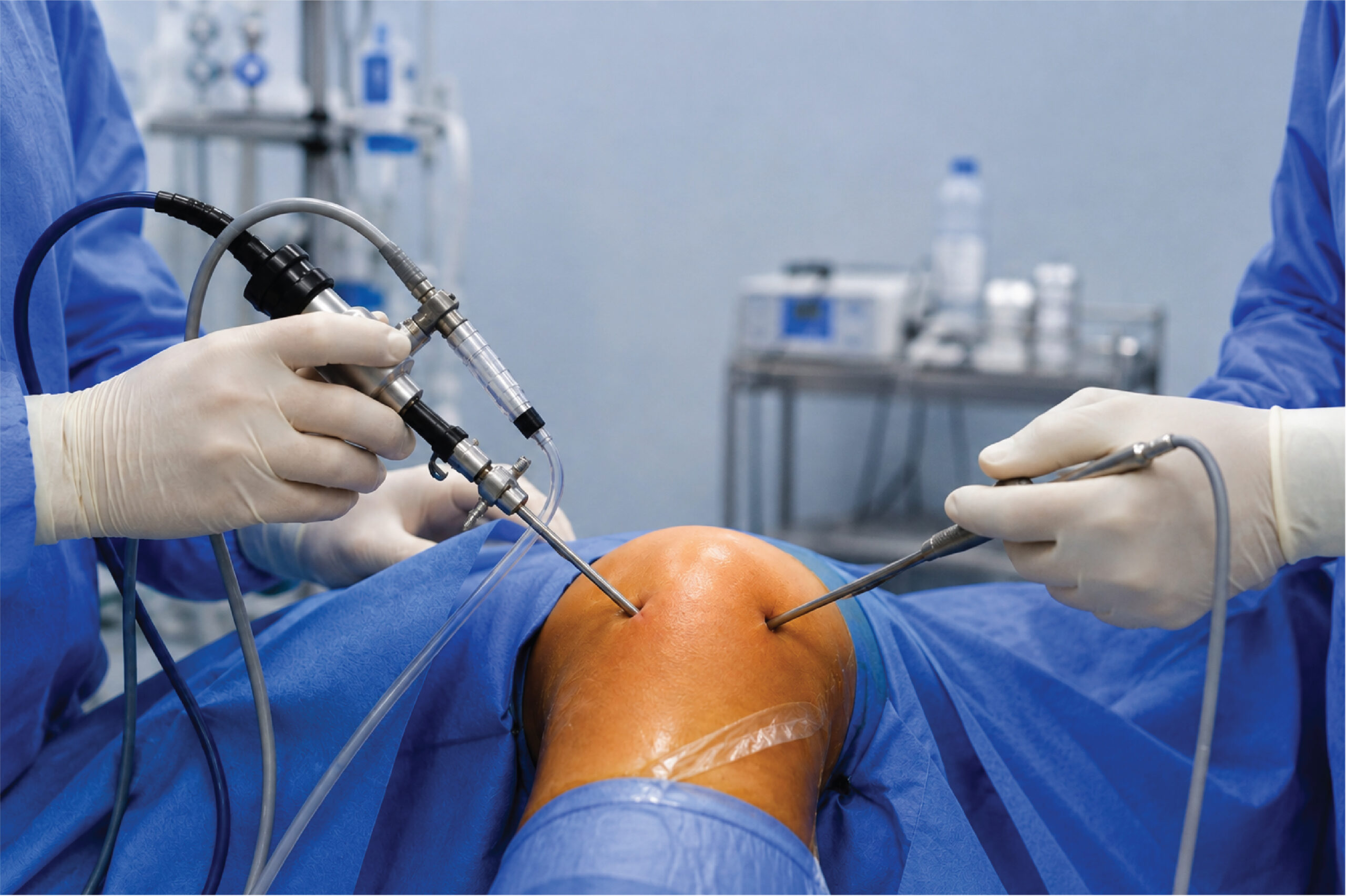
Advanced Arthroscopy Surgery for Joint Problems Advanced Arthroscopy Surgery for Joint Problems Joint pain, stiffness, swelling and restricted movement can make even routine activities difficult. Whether caused by a sports

Complete Guide to Trauma Care and Injury Treatment Complete Guide to Trauma Care and Injury Treatment Trauma can happen without warning. A road accident, fall, sports injury, workplace accident or

Complete Guide to Joint Replacement Surgery and Recovery Complete Guide to Joint Replacement Surgery and Recovery Joint pain can gradually affect almost every part of daily life. Simple activities such
Advanced Neurological Care Advanced Neurological Care The nervous system controls almost every function of the human body, from movement, memory, speech and coordination to sensation, breathing and many automatic body