

ACL Injury Symptoms — How to Identify a Knee Ligament Injury
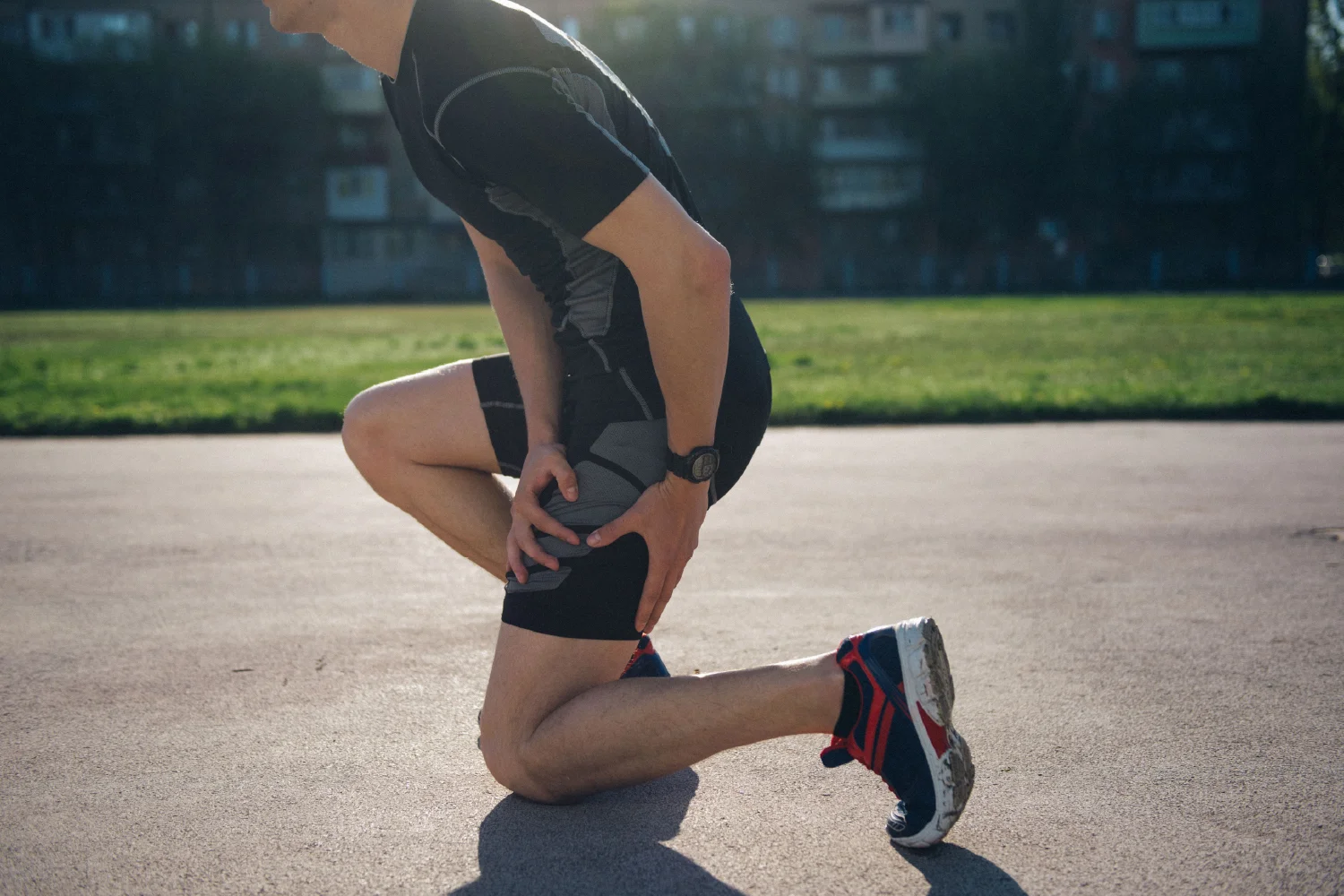
The knee plays an important role in walking, running, jumping and maintaining balance. A sudden change in direction, an awkward landing or a sports-related collision can damage the ligaments that support the joint. One of the most recognised knee injuries is an anterior cruciate ligament (ACL) injury.
An ACL injury can affect knee stability and make it difficult to return safely to sports or other demanding activities. Some injuries can be managed without surgery, while others may require ligament reconstruction. The right approach depends on the severity of the injury, associated damage, activity level and the patient’s goals.
What Is the ACL?
The anterior cruciate ligament is one of the major ligaments inside the knee. It helps control forward movement of the shinbone relative to the thighbone and contributes to rotational stability.
ACL injuries may range from a mild ligament sprain to a partial tear or complete tear. Other structures, including the meniscus and additional ligaments, may also be injured at the same time.
What Causes an ACL Injury?
ACL injuries often happen during activities that place sudden stress on the knee.
Common situations include:
- Suddenly stopping while running.
- Changing direction quickly.
- Landing awkwardly after a jump.
- Twisting the knee while the foot remains planted.
- Receiving a direct impact during contact sports.
- Falling or sustaining an accident that forces the knee into an unusual position.
An ACL injury does not always result from direct contact. A sudden twisting movement can be enough to damage the ligament.
Common Symptoms of an ACL Tear
Symptoms vary depending on the severity of the injury and whether other structures are involved.
A popping sensation
Some people report hearing or feeling a pop at the moment of injury. However, a popping sound alone does not confirm an ACL tear.
Rapid swelling
Swelling may develop within the first few hours after an injury. Significant swelling should be assessed by a healthcare professional.
Knee instability
The knee may feel as though it is giving way, particularly during turning, pivoting or walking on uneven ground.
Pain and restricted movement
Pain, swelling and stiffness may make it difficult to bend or straighten the knee fully.
Difficulty continuing activity
A person may be unable to continue playing sport or may struggle to put weight on the injured leg.
These symptoms can also occur with fractures, meniscus injuries and other ligament damage. A clinical examination is needed to establish the cause.
How Is an ACL Injury Diagnosed?
The assessment usually begins with questions about how the injury occurred, the timing of swelling and any previous knee problems.
A clinician may examine the knee for tenderness, swelling, movement restrictions and ligament stability. Special examination tests can help assess whether the ACL is damaged.
An X-ray may be used when a fracture is suspected. MRI may be recommended to assess the ACL and other soft tissues, particularly when the diagnosis is uncertain or surgery is being considered.
Treatment Options for an ACL Injury
Not every ACL injury requires surgery. Treatment depends on the extent of ligament damage, knee stability, associated injuries and the patient’s activities.
1. Initial care
Stop activities that worsen the pain and protect the knee from further twisting. A cold pack wrapped in cloth may help manage swelling. Avoid putting unnecessary weight on the leg if walking is painful or unstable.
Significant injuries require prompt assessment rather than relying on home treatment alone.
2. Physiotherapy and rehabilitation
A structured rehabilitation programme can help reduce stiffness, restore movement, strengthen the surrounding muscles and improve balance.
Rehabilitation is important whether the injury is treated surgically or non-surgically.
3. Knee support
A clinician may recommend crutches or a suitable brace for selected patients. These should be used according to professional guidance rather than as a substitute for diagnosis.
4. ACL reconstruction surgery
Surgery may be considered for patients with significant instability, certain combined injuries or a need to return to activities involving repeated pivoting. Reconstruction generally uses a tissue graft to replace the damaged ligament.
The decision should be made after discussing expected benefits, risks, rehabilitation demands and the patient’s activity goals.
How Can ACL Injuries Be Prevented?
Although not all injuries can be prevented, several measures may reduce risk:
- Strengthen the muscles around the hips and knees.
- Practise controlled landing and direction-changing techniques.
- Warm up before sports.
- Improve balance and coordination.
- Increase training intensity gradually.
- Follow a sport-specific injury-prevention programme.
When Should You Seek Medical Care?
Seek prompt assessment after a twisting knee injury accompanied by rapid swelling, significant pain, instability or difficulty bearing weight. A deformed knee, a cold or pale foot, or loss of sensation requires emergency evaluation.
Do not return to pivoting sports simply because the pain has improved. Knee stability and functional recovery need to be assessed.
Frequently Asked Questions
- Can an ACL tear heal without surgery?
Some patients can manage an ACL injury without reconstruction, particularly when the knee remains stable during everyday activities. Rehabilitation and activity modification are important, but some patients continue to experience instability.
- Does every ACL tear require surgery?
No. The decision depends on knee stability, the severity of the injury, associated damage and the patient’s activity goals.
- How can I tell whether I have torn my ACL?
A popping sensation, rapid swelling, pain and knee instability may suggest an ACL injury. These symptoms are not enough to confirm a diagnosis; clinical examination and sometimes MRI are needed.
- Can I walk with an ACL injury?
Some people can walk, while others experience substantial pain or instability. Being able to walk does not rule out a significant injury. Avoid activities that make the knee give way and seek assessment.
Book your appointment now
Related Blogs

Blocked Nose for Weeks — Is It Allergy, Sinusitis or Something Else? A blocked nose can make breathing through the nose difficult, disturb sleep and affect concentration during the day.
Ankle Sprain — First Aid, Treatment and Recovery Tips An ankle sprain can happen while walking on uneven ground, running, playing sports or missing a step. The ankle may twist
Frozen Shoulder — Early Symptoms, Causes and Treatment Options Shoulder pain and stiffness can make everyday activities difficult. Simple movements such as combing your hair, getting dressed, reaching for a
ACL Injury Symptoms — How to Identify a Knee Ligament Injury The knee plays an important role in walking, running, jumping and maintaining balance. A sudden change in direction, an
Diagnosing the Real Source of Chronic Lower Back Pain Chronic lower back pain is more than a temporary discomfort. When pain continues for weeks or repeatedly returns, it can affect
Why Do Some Sports Injuries Keep Coming Back? For athletes and active individuals, recovering from a sports injury can be frustrating—especially when the same pain or problem returns after you