Fatty Liver Disease: Early Symptoms, Risk Factors and Prevention
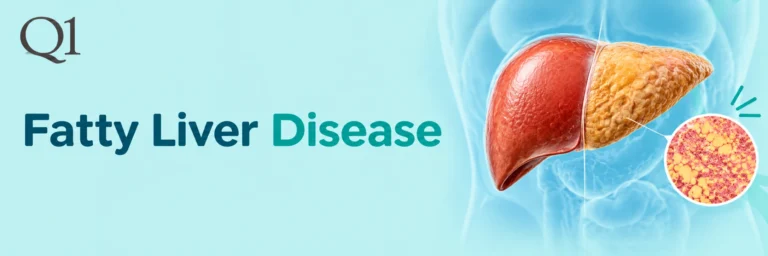
Fatty liver disease is a condition in which excess fat builds up inside the liver cells. A small amount of fat in the liver can be normal, but excessive accumulation may affect how the liver functions over time. Many people with fatty liver disease do not experience noticeable symptoms during the early stages, which is why the condition often goes undetected.
Fatty liver disease is commonly associated with obesity, diabetes, high cholesterol, unhealthy eating habits and physical inactivity. If left unmanaged, it can gradually lead to liver inflammation, scarring and, in some cases, serious liver damage.
Early diagnosis and lifestyle changes play an important role in managing this condition. Understanding its symptoms, causes and prevention methods can help people take timely steps towards better liver health.
What Is Fatty Liver Disease?
Fatty liver disease occurs when too much fat accumulates in the liver. The liver is responsible for several essential functions, including processing nutrients, filtering harmful substances, producing bile and supporting metabolism.
When excess fat builds up, it may interfere with normal liver function. The condition can develop gradually and may remain unnoticed for years.
Fatty liver disease is broadly classified into two main types:
- Metabolic dysfunction-associated steatotic liver disease (MASLD): Previously known as non-alcoholic fatty liver disease (NAFLD), this condition is associated with metabolic risk factors such as obesity, insulin resistance, type 2 diabetes and high cholesterol.
- Alcohol-related liver disease (ALD): This develops due to excessive or long-term alcohol consumption, which can cause fat accumulation and liver damage.
Fatty liver disease does not always cause serious complications. However, some individuals may develop inflammation and progressive liver damage if the condition is not identified and managed appropriately.
Early Symptoms of Fatty Liver Disease
One of the main challenges with fatty liver disease is that it often does not produce clear symptoms in its early stages. Many people discover the condition during routine blood tests or an abdominal ultrasound performed for another reason.
When symptoms do appear, they may include:
- Persistent Fatigue
Feeling unusually tired or lacking energy, even after adequate rest, can occur in people with fatty liver disease. However, fatigue is a general symptom and may also be linked to several other health conditions.
- Discomfort in the Upper Right Abdomen
Some individuals experience mild pain, pressure or discomfort in the upper right side of the abdomen, where the liver is located. This may become more noticeable after meals or during physical activity.
- Unexplained Weakness
A person may experience general weakness or reduced physical stamina. This can sometimes accompany metabolic conditions associated with fatty liver disease.
- Unexplained Weight Changes
Weight gain, particularly around the abdomen, is an important risk factor. In advanced liver disease, some individuals may experience unintended weight loss due to changes in appetite and metabolism.
- Abdominal Swelling
Swelling in the abdomen is generally not an early symptom. It may indicate fluid accumulation, known as ascites, which can occur in advanced liver disease and requires medical attention.
It is important to remember that these symptoms do not confirm fatty liver disease. Medical evaluation and appropriate investigations are necessary for an accurate diagnosis.
Major Risk Factors of Fatty Liver Disease
Fatty liver disease can affect people of different ages and body types. However, certain lifestyle habits and medical conditions increase the likelihood of developing it.
1. Obesity and Excess Body Weight
Excess body fat, particularly around the waist, is strongly associated with fatty liver disease. Abdominal fat can contribute to insulin resistance and increased fat accumulation in the liver.
Even a moderate reduction in body weight can help improve liver fat levels in many individuals.
2. Type 2 Diabetes
People with type 2 diabetes have a higher risk of developing fatty liver disease. Insulin resistance can affect how the body processes and stores fat, leading to increased fat accumulation in the liver.
Managing blood sugar levels is an important part of protecting liver health.
3. High Cholesterol and Triglycerides
Elevated triglycerides and unhealthy cholesterol levels can contribute to metabolic problems associated with fatty liver disease. Regular monitoring of lipid levels can help identify these risks early.
4. Unhealthy Eating Habits
A diet containing excessive sugar, refined carbohydrates, fried foods and processed items may increase the risk of fat accumulation in the liver.
Frequently consuming sugary drinks, sweets, packaged snacks and high-calorie meals can also contribute to weight gain and metabolic imbalance.
5. Physical Inactivity
A sedentary lifestyle can increase the risk of obesity, insulin resistance and fatty liver disease. Limited physical activity may affect the body’s ability to regulate blood sugar and process fats effectively.
6. Excessive Alcohol Consumption
Regular heavy alcohol consumption can damage liver cells and cause fat accumulation. Continued alcohol use may increase the risk of liver inflammation, fibrosis and cirrhosis.
7. Other Medical Conditions
Certain conditions, including polycystic ovary syndrome (PCOS), sleep apnoea and hypothyroidism, may be associated with an increased risk of metabolic dysfunction and fatty liver disease.
Family history and genetic factors can also influence an individual’s risk.
Stages of Fatty Liver Disease
Fatty liver disease can progress through different stages. Not everyone develops advanced liver damage, and early management can help reduce the risk of progression.
Stage 1: Simple Fatty Liver (Steatosis)
Excess fat accumulates in liver cells, but there may be little or no inflammation. Many individuals do not experience symptoms at this stage.
Stage 2: Steatohepatitis
In this stage, fat accumulation is accompanied by liver inflammation and damage to liver cells. In metabolic fatty liver disease, this is known as metabolic dysfunction-associated steatohepatitis (MASH).
Stage 3: Liver Fibrosis
Persistent inflammation can cause scar tissue to develop in the liver. This process is known as fibrosis and may gradually affect normal liver function.
Stage 4: Cirrhosis
Cirrhosis is an advanced stage in which extensive scarring affects the liver’s structure and function. It can lead to serious complications, including fluid accumulation, internal bleeding and liver failure.
Not everyone with fatty liver disease progresses through these stages. Early identification and proper management can help reduce the risk of complications.
How Is Fatty Liver Disease Diagnosed?
Fatty liver disease is often identified during routine health examinations. Since early symptoms may be absent, doctors may recommend investigations based on medical history, physical examination and risk factors.
Common diagnostic tests include:
- Liver Function Tests (LFT)
Blood tests help assess certain liver enzymes and proteins. Elevated liver enzymes may indicate liver irritation or damage, although normal results do not completely rule out fatty liver disease.
- Abdominal Ultrasound
An ultrasound scan can help identify excess fat accumulation in the liver. It is commonly used as an initial imaging investigation.
- FibroScan
FibroScan is a specialised, non-invasive test that helps assess liver stiffness and estimate fat accumulation. It can support the evaluation of fibrosis risk.
- Blood Sugar and Lipid Profile
Blood tests may be recommended to check fasting blood glucose, HbA1c, cholesterol and triglyceride levels. These help identify metabolic conditions associated with fatty liver disease.
- Additional Imaging or Liver Biopsy
In selected cases, doctors may recommend further imaging or a liver biopsy to assess inflammation and determine the extent of liver damage.
The choice of tests depends on the individual’s symptoms, medical history and initial findings.
Treatment and Management of Fatty Liver Disease
There is no single treatment that works for everyone with fatty liver disease. Management mainly focuses on reducing liver fat, improving metabolic health and preventing further liver damage.
1. Gradual Weight Reduction
For individuals who are overweight or obese, gradual and sustained weight loss can significantly improve liver health.
Losing around 5% of body weight may reduce liver fat, while greater weight loss may help improve inflammation and, in some cases, fibrosis.
Avoid crash diets or rapid weight-loss methods without medical guidance.
2. Healthy Dietary Changes
A balanced diet supports liver function and helps manage associated metabolic conditions.
Include:
- Fresh vegetables and seasonal fruits.
- Whole grains such as oats, brown rice and millets.
- Protein sources such as pulses, beans, eggs and fish.
- Healthy fats in appropriate quantities.
- Adequate water throughout the day.
Limit sugary beverages, sweets, deep-fried foods, processed snacks and excessive refined carbohydrates.
3. Regular Physical Activity
Exercise helps improve insulin sensitivity, manage body weight and reduce liver fat.
Adults should generally aim for at least 150 minutes of moderate-intensity physical activity each week, depending on their health and fitness levels.
Walking, cycling, swimming and other suitable activities can be included in a regular routine.
4. Control Diabetes and Cholesterol
Managing blood sugar, blood pressure and cholesterol is essential for people with fatty liver disease. Regular medical check-ups and prescribed medications can help control these conditions.
5. Avoid Alcohol
People with fatty liver disease should discuss alcohol use with their doctor. Avoiding alcohol is particularly important when there is liver inflammation, fibrosis or alcohol-related liver disease.
6. Medical Monitoring
Regular follow-up helps doctors assess whether the condition is improving or progressing. Depending on the severity, monitoring may include blood tests, imaging and fibrosis assessment.
Some patients with more advanced disease may require specialist treatment and closer medical supervision
Prevention Tips for Better Liver Health
Healthy lifestyle habits can reduce the risk of fatty liver disease and support overall metabolic health.
- Maintain a healthy body weight and waist circumference.
- Follow a balanced diet with limited added sugar.
- Avoid frequent consumption of sugary drinks and processed foods.
- Exercise regularly and avoid prolonged sitting.
- Monitor blood sugar, cholesterol and blood pressure.
- Avoid excessive alcohol consumption.
- Get adequate sleep and maintain a consistent daily routine.
- Attend regular health check-ups, especially if you have diabetes or obesity.
People with existing fatty liver disease should follow a personalised plan recommended by their healthcare provider rather than relying only on home remedies or supplements.
When Should You Consult a Doctor?
Fatty liver disease may not cause noticeable symptoms during its early stages. However, people with diabetes, obesity, high cholesterol or a family history of liver disease should consider discussing liver health screening with their doctor.
Seek medical evaluation if you experience persistent abdominal discomfort, unexplained fatigue or abnormal liver test results.
Certain symptoms may indicate advanced liver disease and require urgent medical attention, including:
- Yellowing of the skin or eyes (jaundice).
- Swelling of the abdomen or legs.
- Vomiting blood or passing black, tarry stools.
- Confusion, unusual sleepiness or changes in awareness.
- Severe or persistent abdominal pain.
Do not ignore these warning signs, as they may indicate serious complications that need immediate assessment.
Liver Health Evaluation at Q1 Hospitals
Early identification and appropriate management are important for preventing the progression of fatty liver disease. At Q1 Hospitals, patients can seek medical evaluation for symptoms, abnormal liver test results and health conditions associated with liver problems.
A doctor may review the patient’s medical history, lifestyle habits and existing health conditions before recommending suitable investigations. Depending on the findings, further blood tests, imaging or specialist consultation may be advised.
Patients with diabetes, obesity, high cholesterol or other metabolic risk factors can also benefit from regular health monitoring and guidance on lifestyle modifications.
Timely medical attention helps identify potential liver-related concerns and supports better long-term health management.
Conclusion
Fatty liver disease is a common condition that can develop without noticeable symptoms during its early stages. Factors such as obesity, diabetes, high cholesterol, unhealthy eating habits and excessive alcohol consumption can increase the risk of fat accumulation in the liver.
Although the condition may progress in some individuals, early diagnosis and consistent lifestyle changes can make a significant difference. Maintaining a healthy weight, following a balanced diet, staying physically active and managing existing medical conditions are important steps towards protecting liver health.
Regular medical check-ups and timely evaluation can help detect fatty liver disease early and reduce the risk of long-term complications.
Book your appointment now
Related Blogs
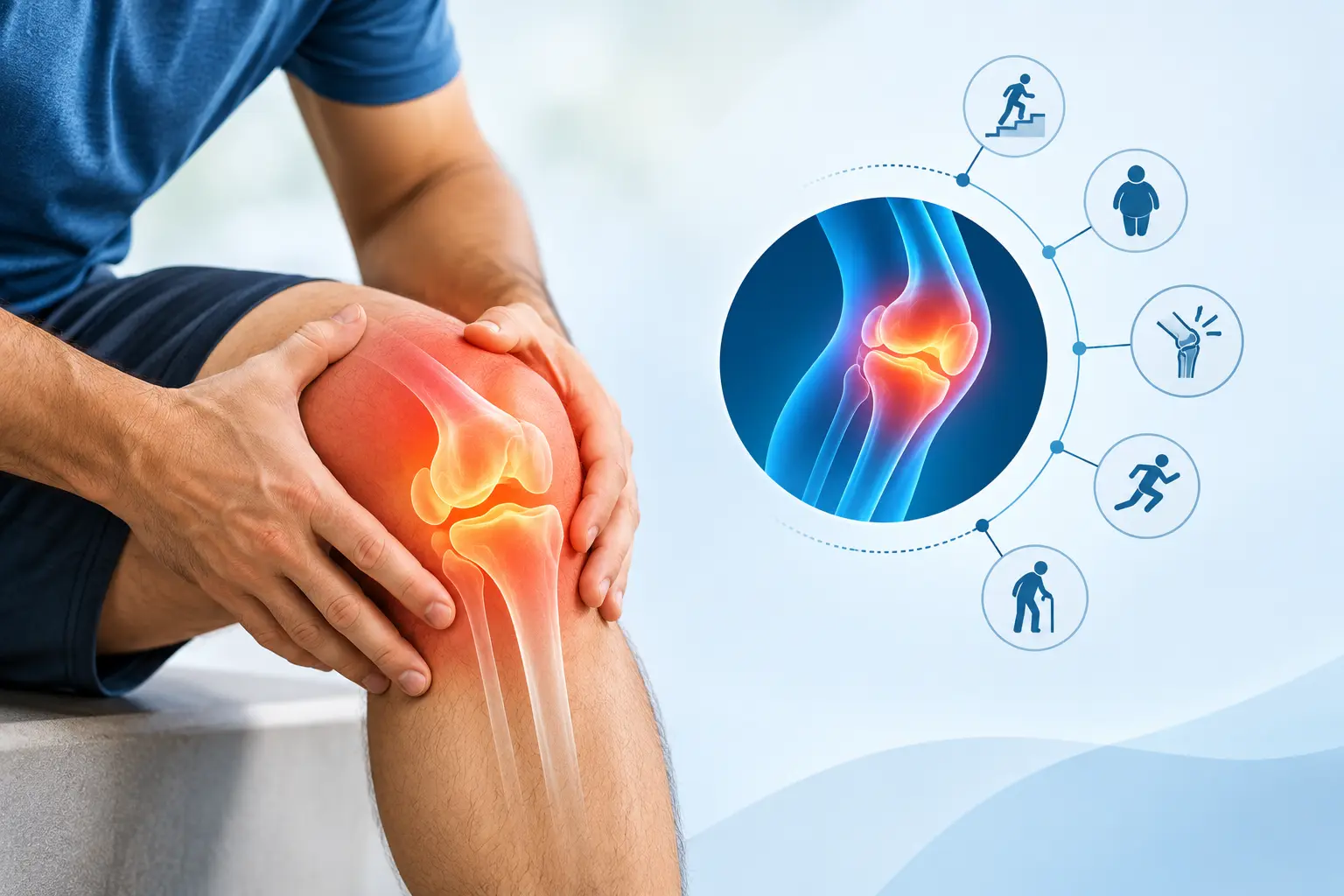
Knee Joint Pain: Common Causes, Warning Signs and When to See an Orthopaedic Doctor Knee joint pain is one of the most common musculoskeletal complaints affecting people across different age

Robotic Knee Replacement Surgery in Vizag: Technology, Benefits and Recovery Knee pain is one of the most common orthopaedic problems affecting people across different age groups. Conditions such as osteoarthritis,

Computer-Navigated vs Robotic Orthopaedic Surgery: Understanding the Differences Advancements in medical technology have significantly changed the way orthopaedic surgeries are planned and performed. Procedures involving joint replacement, bone alignment and

Early Warning Signs of a Brain Stroke: Symptoms You Should Never Ignore A brain stroke is a serious medical emergency that occurs when the blood supply to a part of
What Makes Q1 Hospitals a Leading Orthopaedic Hospital in Andhra Pradesh? Bone and joint health plays an important role in maintaining mobility, independence and overall quality of life. Conditions such

Who Is the Best Orthopaedic Doctor in Vizag? Meet Dr. Ramana Murthy T Orthopaedic health plays an important role in maintaining an active and comfortable lifestyle. From knee and hip