Gestational Diabetes: Risks to Mother and Baby
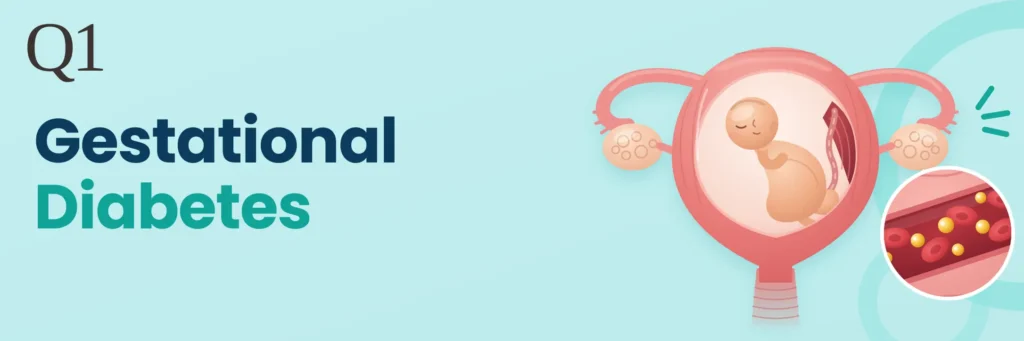
Gestational diabetes is a type of diabetes that develops during pregnancy, usually when the body cannot produce enough insulin to meet the increased demands of pregnancy. Insulin is a hormone that helps control blood sugar levels and allows the body to use glucose for energy. When insulin does not work effectively, blood glucose levels can become higher than normal.
This condition can affect women who have never been diagnosed with diabetes before pregnancy. It commonly develops during the second or third trimester and may not cause noticeable symptoms. However, if blood sugar levels remain uncontrolled, gestational diabetes can increase the risk of complications for both the mother and the developing baby.
Early screening, regular blood sugar monitoring and appropriate medical care are important for managing the condition. With timely diagnosis and proper treatment, many women with gestational diabetes can have healthy pregnancies and deliveries.
What Is Gestational Diabetes?
Gestational diabetes mellitus (GDM) is a condition in which a woman’s blood sugar levels become higher than normal during pregnancy.
During pregnancy, the placenta produces hormones that support the baby’s growth and development. Some of these hormones can make the mother’s body less sensitive to insulin. This is known as insulin resistance.
Normally, the pancreas produces additional insulin to maintain healthy blood glucose levels. However, when the body cannot produce enough insulin to overcome this resistance, blood sugar levels increase, resulting in gestational diabetes.
Unlike type 1 or type 2 diabetes, gestational diabetes is first recognised during pregnancy. Blood sugar levels often return to normal after delivery, but women who develop this condition have a higher risk of developing type 2 diabetes later in life.
Common Symptoms of Gestational Diabetes
Many women with gestational diabetes do not experience noticeable symptoms. The condition is frequently identified through routine pregnancy screening rather than physical warning signs.
When symptoms occur, they may include:
- Increased Thirst
Some women may feel unusually thirsty throughout the day. This can happen when elevated blood glucose levels cause the body to lose more water through urine.
- Frequent Urination
Frequent urination is common during pregnancy because of hormonal changes and pressure on the bladder. However, unusually increased urination may also be associated with elevated blood sugar.
- Increased Hunger
Some women may experience persistent hunger even after eating regular meals. Changes in glucose utilisation can contribute to this feeling.
- Unusual Fatigue
Feeling excessively tired or weak may occur when the body is unable to use glucose effectively for energy. However, fatigue is also common during pregnancy and does not necessarily indicate gestational diabetes.
- Blurred Vision
High blood sugar levels can temporarily affect the fluid balance in the eyes, leading to blurred vision in some individuals.
These symptoms are not specific to gestational diabetes. Regular antenatal check-ups and recommended blood sugar screening are important even when no symptoms are present.
Major Risk Factors of Gestational Diabetes
Gestational diabetes can develop in any pregnancy, but certain factors may increase the chances of developing the condition.
1. Overweight or Obesity
Women who are overweight or obese before pregnancy may have a higher risk of insulin resistance. Excess body fat can affect how the body regulates blood glucose levels.
Maintaining a healthy weight before pregnancy may help reduce this risk.
2. Family History of Diabetes
Having a close family member, such as a parent or sibling, with type 2 diabetes can increase the likelihood of developing gestational diabetes.
Genetic factors may influence how the body responds to insulin during pregnancy.
3. Previous Gestational Diabetes
Women who developed gestational diabetes during an earlier pregnancy have a greater chance of experiencing it again in future pregnancies.
Early screening and regular monitoring are particularly important for these women.
4. Previous Delivery of a Large Baby
A history of delivering a baby weighing more than 4 kg may be associated with an increased risk of gestational diabetes in a subsequent pregnancy.
5. Polycystic Ovary Syndrome (PCOS)
PCOS is associated with hormonal imbalance and insulin resistance. Women with this condition may have a higher risk of developing gestational diabetes.
6. Maternal Age
The risk of gestational diabetes generally increases with maternal age, particularly after 25–35 years. However, younger women can also develop the condition.
7. Previous Abnormal Blood Sugar Levels
Women with prediabetes or previously identified elevated blood glucose levels may have a higher risk of gestational diabetes.
Having one or more risk factors does not mean that gestational diabetes will definitely develop. Screening is important because the condition can occur even in women without recognised risk factors.
Risks of Gestational Diabetes to the Mother
Uncontrolled gestational diabetes can affect the mother’s health during pregnancy, delivery and after childbirth.
- High Blood Pressure and Preeclampsia
Women with gestational diabetes have an increased risk of developing pregnancy-related high blood pressure and preeclampsia.
Preeclampsia is a serious pregnancy complication characterised by high blood pressure and signs of possible organ involvement. It requires careful medical monitoring.
- Increased Chances of Caesarean Delivery
High blood sugar levels can contribute to excessive growth of the baby. If the baby becomes larger than expected, vaginal delivery may become more difficult, increasing the possibility of a caesarean section.
- Difficult Labour
A larger baby may increase the risk of complications during vaginal delivery, including shoulder dystocia, where the baby’s shoulder becomes stuck after the head is delivered.
- Increased Risk of Type 2 Diabetes
Women who develop gestational diabetes have a higher risk of developing type 2 diabetes later in life.
The risk is especially important in women who have additional factors such as obesity, family history or persistent insulin resistance.
- Recurrence in Future Pregnancies
Gestational diabetes may occur again in subsequent pregnancies. Women with a previous history should inform their doctor early when planning or confirming another pregnancy.
Risks of Gestational Diabetes to the Baby
High blood sugar levels in the mother can affect the baby’s growth and health during pregnancy and after birth.
1. Excessive Birth Weight (Macrosomia)
When the mother’s blood sugar is high, excess glucose crosses the placenta and reaches the baby. The baby’s pancreas responds by producing more insulin.
This can lead to increased fat storage and excessive growth, resulting in a condition known as macrosomia.
A larger baby may increase the risk of difficult delivery and birth-related injuries.
2. Premature Birth
Gestational diabetes, particularly when poorly controlled or associated with other pregnancy complications, may increase the risk of early delivery.
Premature babies may need additional medical support because their organs may not be fully developed.
3. Low Blood Sugar After Birth
After delivery, the supply of glucose from the mother suddenly stops. However, the baby’s insulin levels may remain high for some time.
This can cause neonatal hypoglycaemia, or low blood sugar in the newborn. Babies may require early feeding and blood glucose monitoring after birth.
4. Breathing Difficulties
Some babies born to mothers with gestational diabetes may experience breathing problems, particularly when delivered prematurely.
Medical observation and appropriate newborn care may be necessary.
5. Increased Risk of Jaundice
Newborns may develop jaundice, a condition in which bilirubin levels increase and cause yellowing of the skin and eyes.
Babies born to mothers with gestational diabetes may have a higher risk of certain newborn complications, including jaundice.
6. Long-Term Health Risks
Children born to mothers with gestational diabetes may have an increased risk of developing obesity and metabolic conditions later in life.
Healthy eating habits, physical activity and regular health monitoring during childhood can support their long-term well-being.
How Is Gestational Diabetes Diagnosed?
Gestational diabetes is usually diagnosed through blood glucose screening during pregnancy. Since the condition may not cause symptoms, routine testing is important.
Screening is commonly recommended between 24 and 28 weeks of pregnancy. Women with higher risk factors or suspected pre-existing diabetes may need testing earlier.
Common investigations include:
- Oral Glucose Tolerance Test (OGTT)
The oral glucose tolerance test is commonly used to assess how the body processes glucose.
Depending on the screening protocol, the pregnant woman may be asked to drink a glucose solution, followed by a blood test to measure glucose levels at specified intervals.
- Blood Glucose Testing
Blood glucose measurements may be taken to evaluate fasting and post-glucose levels. The results help doctors determine whether blood sugar levels are within the recommended pregnancy range.
- HbA1c Test
HbA1c measures average blood glucose levels over approximately two to three months. It may be used when doctors suspect previously undiagnosed diabetes or need additional information about blood sugar control.
The exact diagnostic criteria and testing approach may vary according to the clinical guidelines followed by the healthcare provider.
Treatment and Management of Gestational Diabetes
The main goal of treatment is to maintain healthy blood sugar levels throughout pregnancy while supporting the baby’s normal growth and development.
Management depends on the mother’s glucose readings, pregnancy stage and overall health.
1. Healthy Eating Plan
A balanced diet is one of the most important parts of gestational diabetes management.
Pregnant women may benefit from:
- Eating regular meals at consistent times.
- Including whole grains, vegetables and suitable fruits.
- Choosing protein sources such as pulses, eggs, fish and lean meat.
- Including fibre-rich foods to support blood sugar control.
- Limiting sweets, sugary beverages and highly processed foods.
- Avoiding large meals containing excessive refined carbohydrates.
A dietitian or doctor can recommend a personalised meal plan based on nutritional requirements and blood glucose levels.
2. Regular Physical Activity
Suitable physical activity can help improve insulin sensitivity and support blood sugar management.
Walking after meals, prenatal exercises and other pregnancy-safe activities may be recommended, depending on the mother’s health.
Pregnant women should consult their doctor before starting or changing an exercise routine, particularly if there are pregnancy-related complications.
3. Blood Sugar Monitoring
Regular blood glucose monitoring helps doctors understand how the body responds to meals, exercise and treatment.
Women may be advised to check fasting blood sugar and post-meal glucose levels using a home glucose monitoring device.
Keeping a record of readings can help the healthcare team adjust the treatment plan when necessary.
4. Insulin Treatment
If lifestyle changes are not sufficient to control blood sugar, insulin may be prescribed.
Insulin is commonly used during pregnancy when medication is required because it helps regulate glucose levels effectively.
The dosage and timing depend on individual blood sugar readings and medical recommendations.
5. Regular Pregnancy Monitoring
Women with gestational diabetes may need additional antenatal appointments to monitor maternal health and the baby’s development.
Depending on the condition, doctors may recommend ultrasound examinations to assess the baby’s growth and other tests to monitor pregnancy progress.
Prevention Tips to Reduce the Risk of Gestational Diabetes
Gestational diabetes cannot always be prevented. However, certain lifestyle habits before and during pregnancy may help reduce the risk, particularly in women with existing risk factors.
- Maintain a healthy body weight before pregnancy.
- Follow a balanced diet with adequate nutrients.
- Include vegetables, whole grains and suitable protein sources in daily meals.
- Limit sugary drinks and foods with added sugar.
- Stay physically active with pregnancy-safe exercises.
- Attend regular antenatal appointments.
- Follow medical advice if you have PCOS or a family history of diabetes.
- Discuss early blood sugar screening if you have previously experienced gestational diabetes.
Avoid strict dieting or attempting rapid weight loss during pregnancy. Nutritional needs change during this period, so dietary adjustments should be guided by a healthcare professional.
When Should You Consult a Doctor?
Gestational diabetes can develop without obvious symptoms, making routine pregnancy screening essential.
Consult your obstetrician if you experience unusual thirst, excessive urination, persistent fatigue or blurred vision during pregnancy.
You should also inform your doctor if you have:
- A previous history of gestational diabetes.
- A family history of type 2 diabetes.
- PCOS or known insulin resistance.
- Previous delivery of a large baby.
- High blood sugar readings during pregnancy.
Seek immediate medical attention if you experience severe weakness, vomiting, confusion, difficulty breathing or other concerning symptoms, especially when blood sugar levels are significantly abnormal.
Do not wait for symptoms to appear before getting screened. Early diagnosis helps reduce the risk of complications for both mother and baby.
Gestational Diabetes Care at Q1 Hospitals
Proper monitoring and timely treatment are important for managing gestational diabetes and supporting a healthy pregnancy. At Q1 Hospitals, pregnant women can seek medical evaluation and antenatal care for pregnancy-related health concerns.
Doctors can assess maternal health, review blood glucose results and recommend suitable investigations based on individual risk factors. Depending on the patient’s condition, management may include dietary guidance, blood sugar monitoring, medication and regular assessment of the baby’s growth.
Women with a previous history of gestational diabetes or other risk factors can discuss appropriate screening and monitoring during their antenatal visits.
Timely medical care helps identify potential complications, guide treatment decisions and support the health of both mother and baby throughout pregnancy.
Conclusion
Gestational diabetes is a pregnancy-related condition that causes elevated blood sugar levels and can affect both the mother and the developing baby. Although it may not produce noticeable symptoms, uncontrolled blood glucose can increase the risk of high blood pressure, difficult delivery, excessive birth weight and low blood sugar in newborns.
Early screening, a balanced diet, suitable physical activity and regular blood glucose monitoring are important for managing the condition. Some women may also require insulin treatment to maintain healthy glucose levels.
With timely diagnosis and appropriate medical supervision, most women with gestational diabetes can manage the condition effectively and have healthy pregnancies. Regular antenatal check-ups and continued health monitoring after delivery are essential for protecting long-term health.
Book your appointment now
Related Blogs

Knee Joint Pain: Common Causes, Warning Signs and When to See an Orthopaedic Doctor Knee joint pain is one of the most common musculoskeletal complaints affecting people across different age

Robotic Knee Replacement Surgery in Vizag: Technology, Benefits and Recovery Knee pain is one of the most common orthopaedic problems affecting people across different age groups. Conditions such as osteoarthritis,

Computer-Navigated vs Robotic Orthopaedic Surgery: Understanding the Differences Advancements in medical technology have significantly changed the way orthopaedic surgeries are planned and performed. Procedures involving joint replacement, bone alignment and

Early Warning Signs of a Brain Stroke: Symptoms You Should Never Ignore A brain stroke is a serious medical emergency that occurs when the blood supply to a part of

What Makes Q1 Hospitals a Leading Orthopaedic Hospital in Andhra Pradesh? Bone and joint health plays an important role in maintaining mobility, independence and overall quality of life. Conditions such

Who Is the Best Orthopaedic Doctor in Vizag? Meet Dr. Ramana Murthy T Orthopaedic health plays an important role in maintaining an active and comfortable lifestyle. From knee and hip