

Poor Posture and Back Pain: How Everyday Habits Affect Your Spine
Back pain has become increasingly common in everyday life, and poor posture is one of the habits that can contribute to discomfort and strain on the spine. From sitting for long hours at a desk to looking down at a mobile phone, the way we position our body throughout the day can affect the muscles, joints, and supporting structures of the spine.
At Q1 Hospitals, Visakhapatnam, orthopaedic care focuses on evaluating musculoskeletal conditions and providing appropriate treatment based on each patient’s symptoms and clinical needs. The hospital’s orthopaedic services include spine surgeries, along with joint replacement, arthroscopy, and trauma care.
How Poor Posture Can Contribute to Back Pain
Good posture helps maintain the natural alignment of the spine and allows the body’s muscles and joints to work efficiently. When the head, shoulders, or pelvis remain in an awkward position for prolonged periods, certain muscles may become overstretched or overworked.
For example, sitting with a rounded back for several hours can place additional strain on the lower back. Similarly, leaning forward continuously while using a laptop or mobile phone can increase stress around the neck, shoulders, and upper back.
Poor posture does not necessarily cause back pain in every person, but maintaining unhealthy positions for long periods can contribute to muscle fatigue, stiffness, and discomfort.
Everyday Habits That May Affect Your Spine
1. Sitting for Long Hours
- Office work, studying, driving, and prolonged screen time can result in extended periods of sitting. Remaining in the same position for hours can cause stiffness and muscle fatigue.
- Try to take regular movement breaks. Stand up, walk briefly, and change your sitting position instead of remaining stationary throughout the day.
2. Incorrect Computer and Laptop Position
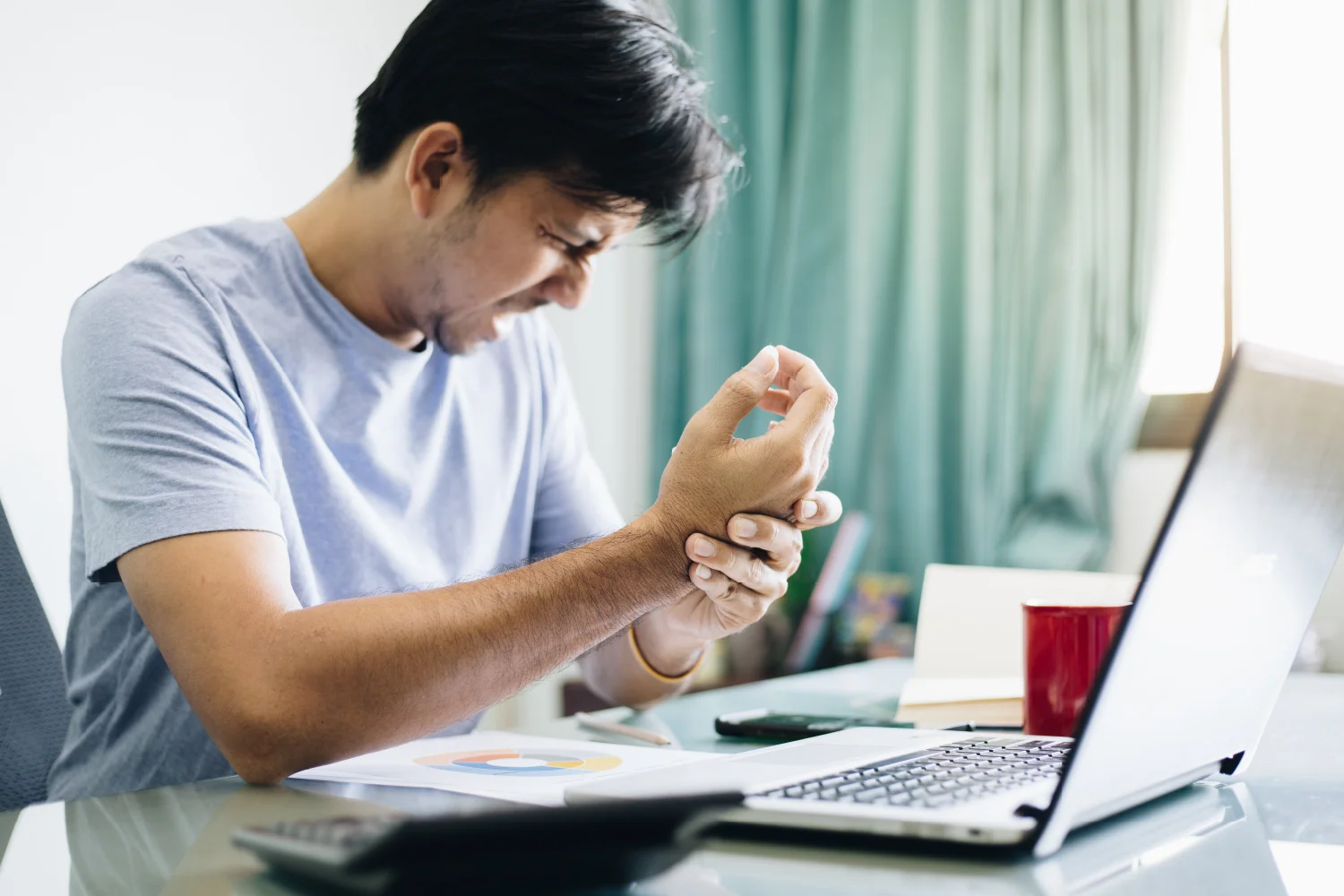
- A screen that is too low or too far away can encourage you to lean forward. Your chair, desk, and screen should be positioned so that you can work without continuously bending your neck or rounding your back.
- Maintaining a comfortable sitting position and changing posture periodically can help reduce unnecessary strain.
3. Excessive Mobile Phone Use
- Looking down at a phone for extended periods can place the neck and upper back in a sustained forward position. This habit can contribute to neck stiffness and upper-back discomfort.
- Whenever possible, raise the phone closer to eye level and avoid spending long periods in one fixed position.
4. Poor Sleeping Positions
Sleep is an important part of physical recovery. An uncomfortable sleeping position may contribute to morning stiffness or back discomfort. A supportive mattress and a comfortable sleeping position can help maintain better spinal alignment during rest.
5. Incorrect Lifting Techniques
Lifting heavy objects without proper technique can put significant stress on the back. Avoid suddenly bending and twisting while carrying weight. Instead, keep the load close to your body and use your legs when lifting.
Simple Ways to Support a Healthier Spine
Improving posture does not mean keeping your body rigid throughout the day. The spine benefits from regular movement and changes in position.
Some simple habits include:
- Take frequent breaks from prolonged sitting.
- Keep your computer screen at a comfortable height.
- Avoid prolonged neck bending while using mobile devices.
- Maintain a comfortable and supported sitting position.
- Use appropriate lifting techniques.
- Stay physically active according to your fitness level.
- Pay attention to persistent or recurring back pain.
These habits can help reduce unnecessary strain and encourage better movement patterns in daily life.
When Should You Consult an Orthopaedic Specialist?
Occasional back discomfort may improve with rest, movement, and changes to everyday habits. However, persistent, severe, or recurring back pain should not be ignored. Medical evaluation may be appropriate when pain interferes with walking, working, sleeping, or routine activities.
Q1 Hospitals provides orthopaedic and surgical services supported by diagnostic facilities and physiotherapy care. The hospital’s orthopaedic team is led by Dr. Ramana Murthy T, MS (Ortho), NIMS, FRAS (Germany), Senior Consultant Orthopaedic Surgeon.
An appropriate evaluation can help determine whether symptoms are related to posture, muscular strain, joint problems, spinal conditions, or another underlying cause. Treatment can then be planned according to the individual’s condition rather than relying solely on self-treatment.
Protect Your Spine Through Better Everyday Habits
Your spine is involved in almost every movement you make, so small changes in daily habits can make a meaningful difference to your overall musculoskeletal health. Sitting correctly, taking movement breaks, using screens responsibly, lifting carefully, and maintaining an active lifestyle are practical steps toward supporting your spine.
If back pain becomes persistent or begins affecting your daily activities, seeking professional medical advice can help identify the cause and determine the appropriate treatment.
Book your appointment now
Related Blogs

Diagnosing the Real Source of Chronic Lower Back Pain Chronic lower back pain is more than a temporary discomfort. When pain continues for weeks or repeatedly returns, it can affect

Why Do Some Sports Injuries Keep Coming Back? For athletes and active individuals, recovering from a sports injury can be frustrating—especially when the same pain or problem returns after you

Living With Arthritis: Everyday Ways to Protect Your Joints Arthritis can make everyday activities such as walking, climbing stairs, getting up from a chair, or completing household tasks more difficult.
Arthritis in Younger Adults: What Causes It and How Is It Managed Arthritis is often associated with ageing, but joint pain, stiffness, and inflammation can also affect younger adults. When

Common Arthritis Myths Patients Should Stop Believing Arthritis is one of the most common causes of joint pain, stiffness, and difficulty with movement. Yet, many patients continue to rely on

Poor Posture and Back Pain: How Everyday Habits Affect Your Spine Back pain has become increasingly common in everyday life, and poor posture is one of the habits that can