

Why Do Some Sports Injuries Keep Coming Back?
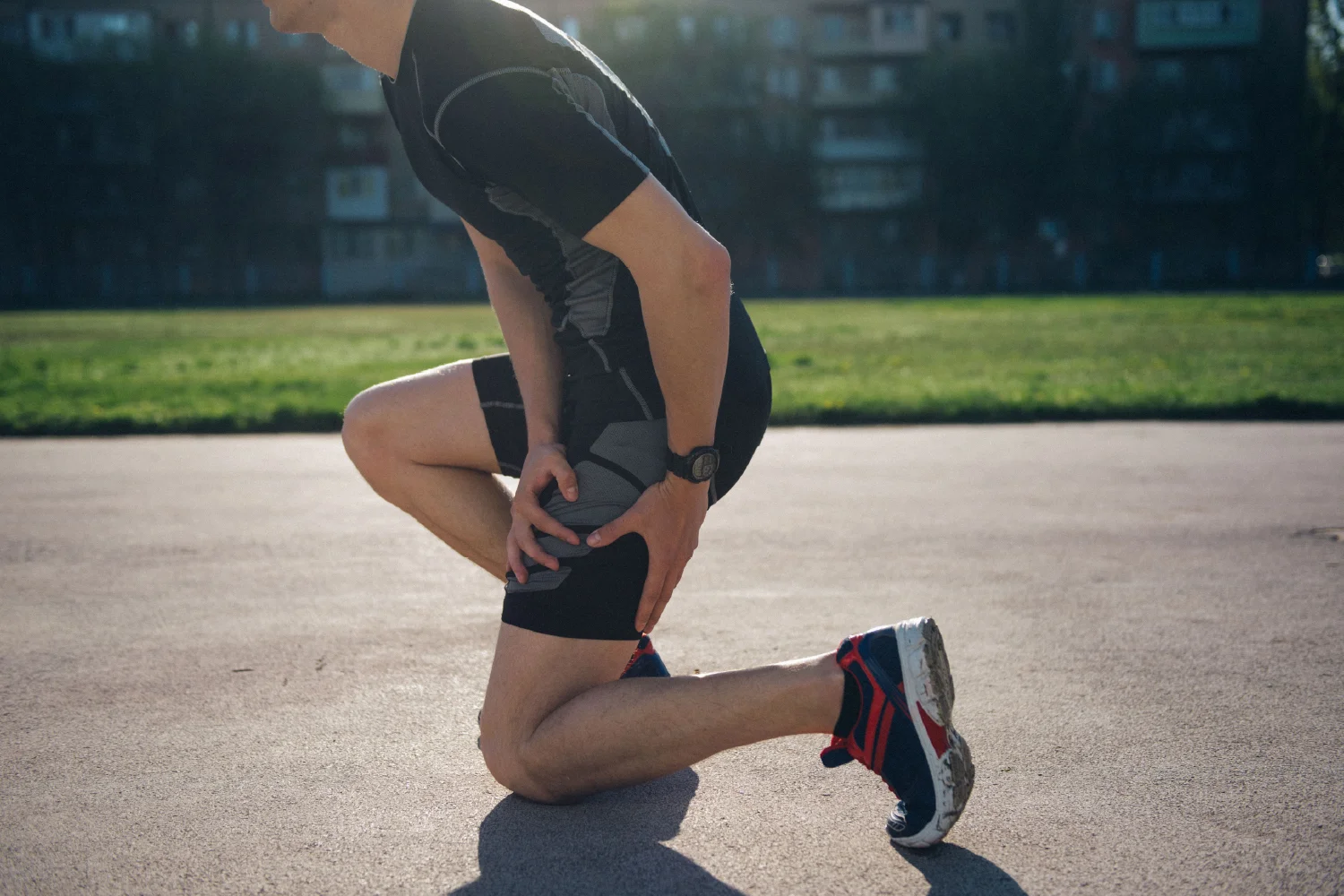
For athletes and active individuals, recovering from a sports injury can be frustrating—especially when the same pain or problem returns after you thought you had healed. A recurring sports injury is often more than bad luck. It may indicate that the original injury was not fully treated, the body was not given enough time to recover, or the underlying cause was never addressed.
At Q1 Hospitals, Visakhapatnam, sports and orthopaedic injuries are managed with a focus on accurate diagnosis, appropriate treatment, and recovery. The hospital provides specialised Orthopaedics, Trauma, Arthroscopy, Physiotherapy, Radiology, and other surgical services to support patients with bone, joint, muscle, and sports-related conditions.
The Injury May Not Have Fully Healed
One of the most common reasons an injury comes back is returning to physical activity too soon. Pain may decrease before the injured tissue has completely recovered. An athlete may feel better and resume running, training, or playing, only to experience the same problem again.
Following medical advice and allowing sufficient recovery time are important. Depending on the injury, treatment may include rest, physiotherapy, medication, activity modification, or a procedure to address the underlying problem.
Incomplete Rehabilitation Can Increase the Risk
Recovery does not always end when the pain disappears. Muscles may remain weak, joints may have reduced mobility, and balance or coordination may not have returned to normal.
A structured rehabilitation programme can help restore strength, flexibility, movement, and function. Physiotherapy is particularly important after many sports injuries because it helps individuals gradually return to their normal activities while reducing unnecessary strain on the injured area.
The Root Cause May Be Overlooked
Sometimes, the recurring injury is a symptom of an underlying mechanical or structural problem. Poor movement patterns, muscle imbalance, joint instability, previous trauma, or an untreated ligament or cartilage injury can contribute to repeated symptoms.
This is why simply treating pain may not be enough. A proper orthopaedic assessment can help identify what is causing the injury to return. Q1 Hospitals offers advanced diagnostic and imaging facilities to support accurate evaluation of musculoskeletal conditions.
Returning to Sport Too Quickly
Many people are eager to get back to their favourite sport as soon as possible. However, returning directly to full-intensity activity after an injury can place excessive stress on healing tissues.
A gradual return is generally safer. The intensity and duration of activity should be increased according to recovery and professional medical guidance. If pain, swelling, instability, or restricted movement returns, it should not be ignored.
Previous Injuries Can Make You More Vulnerable
A previously injured joint or muscle may require additional attention even after recovery. For example, an individual who has experienced a significant knee or shoulder injury may need ongoing strengthening and conditioning to maintain stability and function.
Some injuries may also require specialised treatment. Depending on the condition, orthopaedic specialists may consider minimally invasive procedures such as arthroscopy when appropriate. Q1 Hospitals provides arthroscopy services for the diagnosis and treatment of various joint conditions.
Prevention Is Part of Recovery
Preventing another injury involves more than avoiding physical activity. Proper warm-up, appropriate technique, gradual increases in training intensity, adequate recovery, and strengthening exercises can all play an important role.
It is also important to listen to the body. Persistent pain or repeated swelling should not simply be considered a normal part of sports. Getting an injury evaluated early may help prevent a minor problem from becoming a more complicated condition.
When Should You See an Orthopaedic Specialist?
If the same injury repeatedly returns, pain persists despite rest, or you experience swelling, instability, weakness, or difficulty moving a joint, professional evaluation is recommended.
Q1 Hospitals provides comprehensive orthopaedic and trauma care, supported by advanced imaging, physiotherapy, arthroscopy, and surgical services. Its patient-centred approach focuses on identifying individual healthcare needs and providing appropriate treatment.
Take Recurring Sports Injuries Seriously
A sports injury that keeps coming back is a signal worth paying attention to. Instead of repeatedly resting until the pain disappears, identifying the underlying cause can help support a more complete recovery and a safer return to activity.
If you are experiencing a recurring sports injury in Visakhapatnam, consulting an orthopaedic specialist can help determine the appropriate next step. Q1 Hospitals provides specialised care for orthopaedic, trauma, joint, and sports-related conditions with modern diagnostic and treatment facilities.
Book your appointment now
Related Blogs

Blocked Nose for Weeks — Is It Allergy, Sinusitis or Something Else? A blocked nose can make breathing through the nose difficult, disturb sleep and affect concentration during the day.
Ankle Sprain — First Aid, Treatment and Recovery Tips An ankle sprain can happen while walking on uneven ground, running, playing sports or missing a step. The ankle may twist
Frozen Shoulder — Early Symptoms, Causes and Treatment Options Shoulder pain and stiffness can make everyday activities difficult. Simple movements such as combing your hair, getting dressed, reaching for a
ACL Injury Symptoms — How to Identify a Knee Ligament Injury The knee plays an important role in walking, running, jumping and maintaining balance. A sudden change in direction, an
Diagnosing the Real Source of Chronic Lower Back Pain Chronic lower back pain is more than a temporary discomfort. When pain continues for weeks or repeatedly returns, it can affect
Why Do Some Sports Injuries Keep Coming Back? For athletes and active individuals, recovering from a sports injury can be frustrating—especially when the same pain or problem returns after you